The Binghamton Paradox: Cozy Town, Complex Hearts
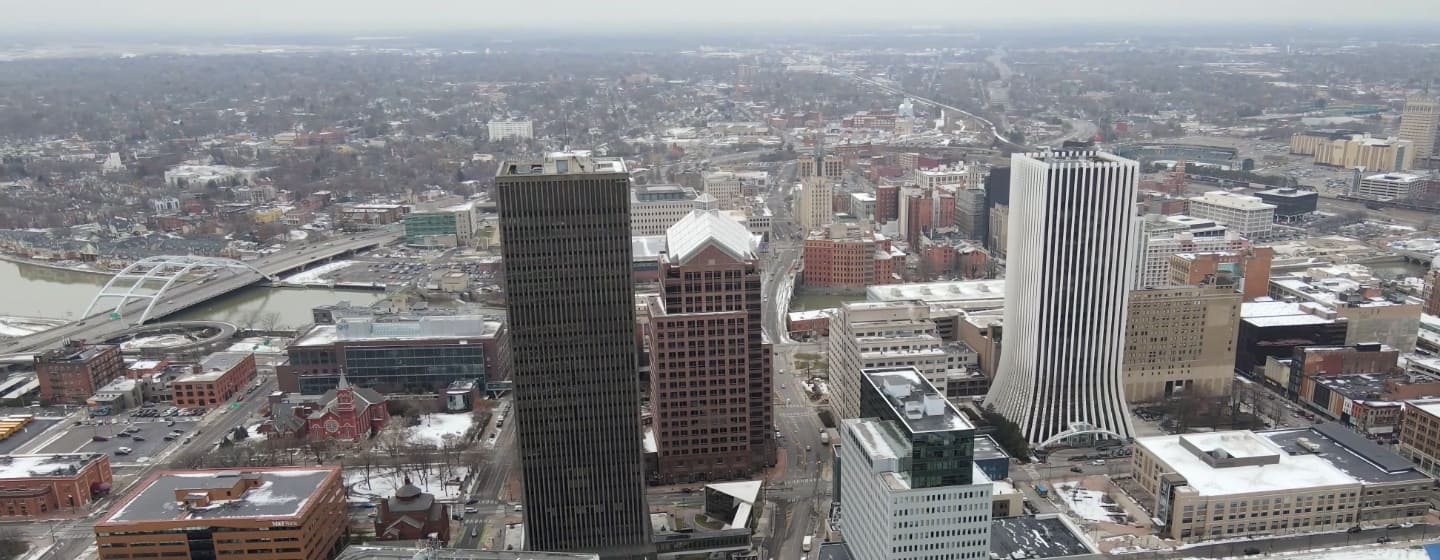
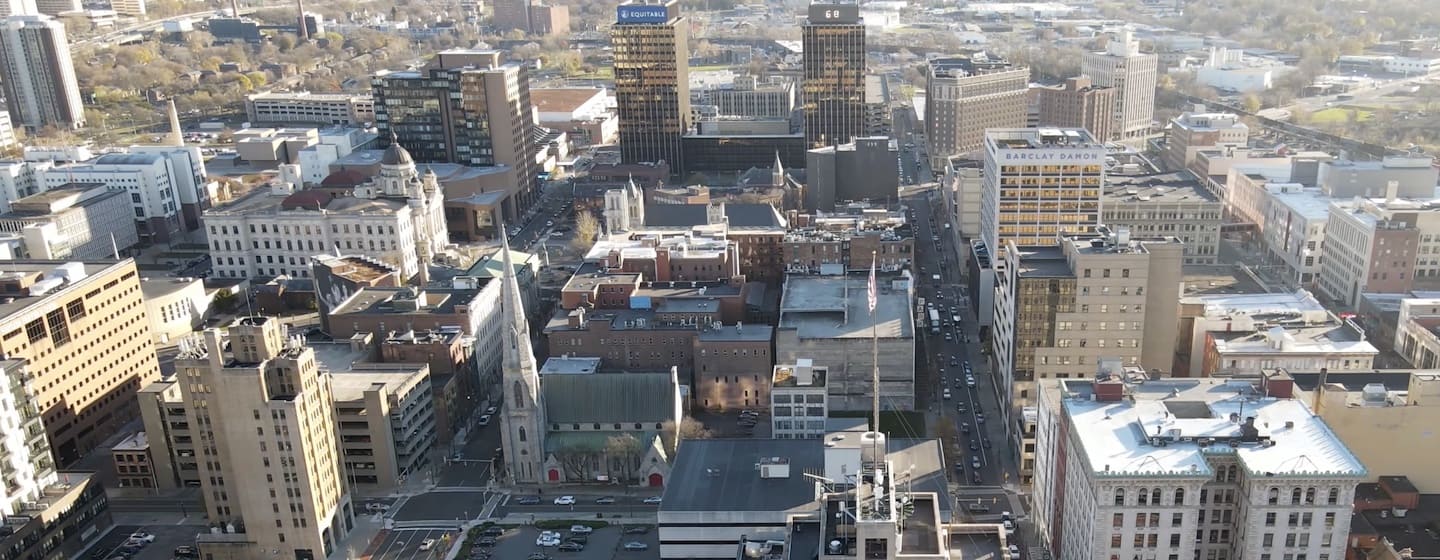
On paper, Binghamton, New York, might seem like a quiet college town nestled in the Southern Tier—famous for its parks, harsh winters, and affordable living.
But beneath its modest surface lies a social ecosystem as intricate and emotionally nuanced as any major city.
I’ve come to see this city not as a backwater for romance, but as a rich psychological landscape where authenticity often trumps glamour.
Here, dating isn’t about high-stakes cocktails at rooftop bars or curated Instagram dates at artisanal brunch spots.
Instead, it unfolds in coffeehouses with mismatched mugs, on leaf-strewn walks through the Enchanted Forest, or over diner-style pancakes at Friendly Toast.
Yet, beneath these deceptively simple rituals lie complex emotional dynamics—attachment styles, communication patterns, and cultural expectations—that shape who we attract… and who we become in relationships.
So, whether you’re a SUNY Binghamton grad trying to settle down, a transplanted professional adjusting to small-city living, or a lifelong resident tired of the same dating loop, let’s explore what it really means to date in Binghamton—from the psychology of connection to the practical quirks of love in the “City of Firsts.”

The College Town Effect: Psychology of Transience vs. Rootedness
Binghamton’s identity is inextricably tied to its two major universities: Binghamton University (SUNY) and Broome Community College.
Each year, thousands of students flood into the city, bringing youthful energy, open-mindedness, and yes—short-term romantic horizons.
I often hear clients lament: “I keep meeting amazing people, but they’re only here for four years. How can I build real intimacy when I know it’ll end?”
This is what I call the transience trap—a phenomenon that affects both students and local residents.
For students, there’s often a subconscious permission to avoid emotional vulnerability: “Why get serious if I’m moving to NYC or San Francisco in a year?” Meanwhile, locals can develop a protective skepticism: “Another temporary fling. Great.”
But transience doesn’t have to spell relational doom.
In therapy, I work with clients to reframe this reality. Temporary relationships can still be meaningful.
In fact, they can serve as valuable emotional laboratories—places to practice vulnerability, communicate needs, and learn about attachment styles without the pressure of lifelong commitment. The key? Intentionality.
Ask yourself: What do I want from this connection, even if it’s not forever? Want to feel seen? To explore intimacy safely?
To rediscover playfulness? Even temporary love can be therapeutic when approached mindfully.
That said, Binghamton does evolve. Many students stay after graduation, drawn by affordable housing, a vibrant arts community, or love that rooted them here.
The challenge—both emotionally and logistically—is building bridges between the transient and the permanent.
The Binghamton Bubble: Small Town, Big Judgments
“Everyone knows everyone” isn’t just a cliché in Binghamton—it’s a social reality.
Whether you run into your ex at the grocery store or hear secondhand that your date once ghosted someone in Vestal, the intimacy of a small community can accelerate both connection and judgment.
Psychologically, this creates what I call the spotlight effect on steroids: the belief that others are constantly observing, evaluating, and remembering your romantic missteps.
I’ve had clients freeze in their dating lives—not because they lack interest, but because of fear. Fear of being labeled “too intense,” “too promiscuous,” or “still hung up on Alex from 2017.” This kind of social surveillance can breed emotional caution, even repression.
Yet, there’s a silver lining. In smaller communities, authenticity often wins. Pretending to be someone you’re not becomes exhausting when your network overlaps.
Over time, the people who thrive are those who embrace their quirks—whether that’s being a board game enthusiast, a folk music lover, or someone who brings homemade soup on first dates.
My advice? Lean into local culture. Attend community events at the Bundy Museum, join a hiking group through the Chenango Valley State Park, or volunteer at the Binghamton Winter Farmers Market.
Shared activities reduce performance anxiety—you’re not just “being interviewed for a relationship” but experiencing real connection through shared values.
Winters That Test Love: Seasonal Affective Patterns in Relationships
Let’s talk about the elephant in the room: Binghamton’s winters.
With an average of 70 inches of snow and gray skies stretching from December to March, seasonal affective disorder (SAD) affects a significant portion of the population.
I’ve noticed a distinct seasonal rhythm in relationship dynamics.
- Fall: High energy. First dates flourish. Brunch at Waffles and More. Walks at Otsiningo Park.
- Winter: Hibernation. Cuffing season peaks in December, but by February, emotional fatigue sets in. Miscommunication rises. Cabin fever strains even healthy relationships.
- Spring: Renewal. Breakups bloom with the daffodils. New connections spark as people emerge from isolation.
What’s happening beneath the surface? Mood regulation.
When sunlight is scarce, serotonin production drops. This doesn’t just cause sadness—it impairs emotional regulation.
Small irritations (he left his boots in the hallway, she didn’t text back immediately) get amplified. Patience evaporates.
So what’s the psych-smart move?
- Talk about the weather—literally. Normalize that winter affects mood. Say, “I’ve been feeling extra irritable this week—probably the gray skies. I don’t want that spilling into us.” This builds emotional safety.
- Prioritize co-regulation. Schedule low-pressure time together—watching a show, cooking a meal, indoor rock climbing at Binghamton Boulders. Physical presence, even in silence, helps regulate the nervous system.
- Use light therapy. Clinically proven to reduce SAD symptoms, light boxes are inexpensive and can be a game-changer. Frame it as a team effort: “Let’s both try one and check in weekly.”
Emotionally intelligent couples don’t wait for spring to reignite—they adapt to the seasons, together.
Dating Across the Divide: Class, Culture, and Connection
Binghamton’s social fabric is woven with threads of economic disparity.
There’s the student population (often financially strapped), young professionals working in healthcare or tech, long-time residents on fixed incomes, and a growing population of immigrants and refugees.
I often help clients navigate invisible class boundaries in dating. A graduate student might feel insecure about affording dinner at a nicer spot.
A teacher might hesitate to invite a date to their modest apartment. A refugee resettled through the United Way might fear being judged for limited English.
These aren’t just logistical issues—they’re emotional landmines tied to self-worth, shame, and belonging.
But here’s the good news: Binghamton’s affordability allows for creative, emotionally rich alternatives to expensive date culture.
Instead of a $70 dinner, consider:
- Picnics in Recreation Park with homemade goodies
- Free events at the Roberson Museum
- Coffee and conversation at Chatty’s Café
- Thrift store scavenger hunts in downtown Binghamton
I once worked with a couple who bonded over volunteering at the Broome County Humane Society. Their first “date” was walking dogs in the snow—simple, authentic, and cost-free. They’re now engaged.
True intimacy isn’t purchased—it’s co-created. And in Binghamton, modesty often breeds deeper connection.
The Ghosting Epidemic: Why It Happens (And How to Heal)
Ghosting—the abrupt end of communication without explanation—is a universal modern dating woe. But in Binghamton, it takes on a peculiar twist.
Because networks are tight, ghosting doesn’t mean disappearance. You might never hear from them again—but you’ll see them at a concert at The Forum, or their sibling might be in your yoga class.
This creates a psychological purgatory: You’re ignored, but you can’t ignore that they exist.
From a clinical perspective, ghosting usually stems from one of three places:
- Avoidant attachment—fear of confrontation or emotional discomfort
- Overwhelm—they liked you, but felt unequipped to handle conflict or commitment
- Mismatched intentions—they were dating casually; you were falling in love
None of this excuses the hurt, but understanding the “why” can reduce self-blame.
If you’ve been ghosted:
- Don’t interrogate mutual friends. It amplifies shame and tightens social tension.
- Write a letter you never send. Process grief without confrontation.
- Reframe the silence. “Their inability to communicate says more about them than me.”
And if you’re tempted to ghost someone? Don’t. A simple, kind message—“I’ve enjoyed getting to know you, but I don’t see a romantic future. Wishing you all the best”—costs little but preserves dignity.

The Binghamton Love Blueprint: 5 Psychology-Backed Tips
After years of counseling couples and singles in this unique town, here’s my distilled wisdom for thriving in the Binghamton dating scene:
1. Seek Shared Values, Not Just Shared Zip Codes
You don’t need to date a Binghamton native to belong. Look for partners who value community, growth, and authenticity—regardless of where they’re from.
2. Embrace the “Slow Burn”
In a world of swipe culture, Binghamton rewards patience. Let relationships unfold organically. A third coffee date isn’t failure—it’s foundation.
3. Name Your Needs Early
Binghamton’s “laid-back” vibe can mask emotional avoidance. Practice gentle assertiveness: “I tend to need regular communication. How do you feel about texting during the week?”
4. Use Local Resources
Join Binghamton’s Meetup groups, visit the LGBT Resource Center’s social nights, or attend Speed Friending events. Shared interests reduce anxiety and increase compatibility.
5. Date Yourself First
Loneliness isn’t fixed by a partner. Build a fulfilling solo life—explore the Susquehanna River Trail, take a pottery class, start therapy. You attract who you are, not who you want to be with.

FAQs: Your Burning Binghamton Dating Questions—Answered
Not hopeless—but be intentional. Discuss timelines early. Some students stay; others don’t. If long-term commitment is your goal, expand your circle beyond campus.
Give yourself space. Limit mutual hangouts temporarily. Lean on non-judgmental friends. And remember: Binghamton’s smallness means reputations evolve. One heartbreak doesn’t define you.
Binghamton has made significant strides. The Pride Center of the Southern Tier offers support and events. While not every neighborhood is equally welcoming, downtown and the university areas are notably inclusive. Trust your instincts—choose public, affirming spaces for early dates.
Normalize it. Say, “Just so you know, I go to therapy and value mental health—how do you feel about that?” This filters for emotional maturity.
Absolutely! Try:
Mini-golf at En-Joy Park
A pottery class at Stain Glass, etc.
Kayaking on the Chenango River (in season)
Trivia night at the Lost Dog Café
Not at all. Many professionals in their 30s-50s are building lives here post-relocation or post-divorce. Explore groups like Binghamton 40+ Social Circle or apps with local filters (e.g., Facebook community groups).
In Love We Trust—Even in Binghamton
Dating in Binghamton isn’t about grand gestures or viral-worthy dates. It’s about showing up—imperfectly, bravely, and with heart.
In my office, I often remind clients: Love is not just found. It’s cultivated. It grows in the soil of daily choices—in how we handle silence, disagreement, winter blues, and the awkwardness of running into an ex at the Binghamton Bagel Factory.
Binghamton offers something rare in today’s fast-paced world: a chance to build love slowly, steadily, and with depth.
So walk that snowy path. Send that thoughtful text. Try the new Nepali restaurant on Washington Street. Take a mental health day together. And above all—be tender with yourself.
Because in this unassuming city of firsts, second chances, and quiet resilience, your next chapter of love might just be waiting—under a gray sky, in a cozy booth, with someone who also loves good soup.