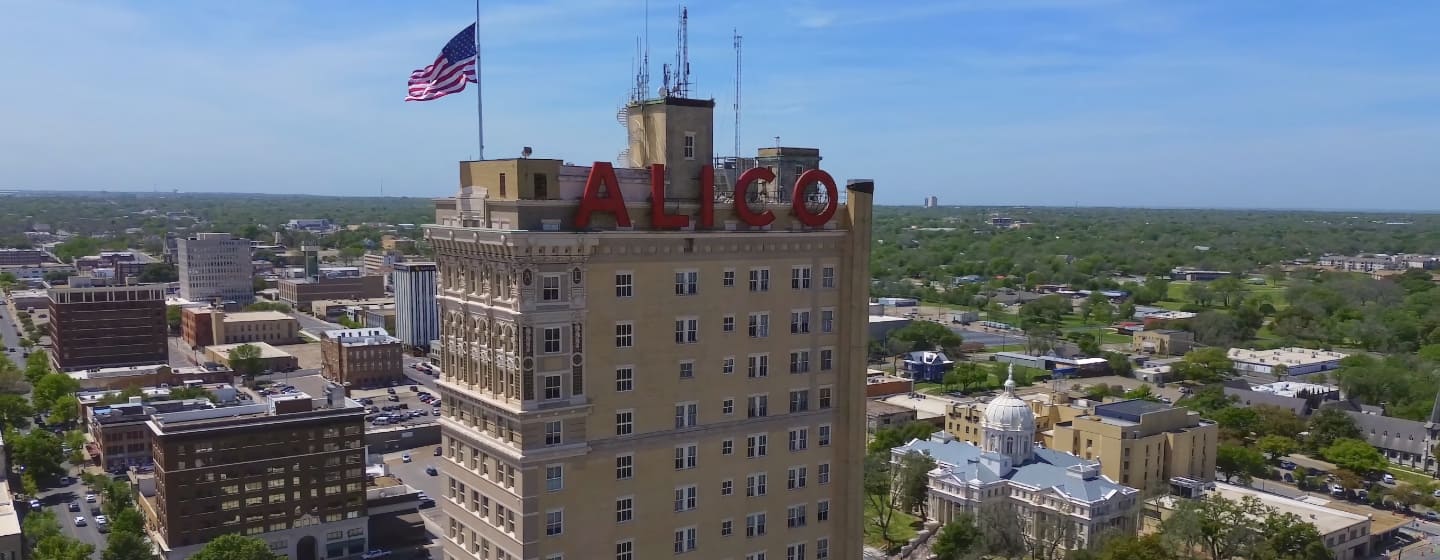
“What Does a Psychologist See When She Watches People Date in Austin?”
Imagine this: a woman swipes right on her phone at a South Congress café, while across town, a man nervously reheats his opening line before walking into a live improv comedy night at The Hideout.
Miles apart, yet both orbiting the same unspoken question: How do I connect in a city that feels endlessly exciting but strangely isolating?
Austin isn’t just a city. It’s a cultural paradox: a hub of innovation and intellectual energy nestled in the heart of Southern charm.
A place where tech bros bike to work beside poets writing under live oaks, and where a “casual Friday” might involve cowboy boots and a Death Cab for Cutie concert.
And when it comes to dating? Austin’s scene is a psychological case study in contradictions.
Let’s unpack the mind of modern romance in the Live Music Capital of the World.

Why Austin’s “Weird” Vibe Cuts Both Ways in Love
“I love Austin because it’s weird,” is a slogan seen on bumper stickers and T-shirts across the city. But what does being “weird” actually mean for dating?
From a psychological standpoint, Austin’s celebrated quirkiness isn’t just an identity—it’s a filter.
It attracts independents, creatives, free spirits, and innovators. But it can also screen out traditionalists, those seeking structure, or people uncomfortable with ambiguity.
In my clinical practice, I’ve observed a recurring pattern: Austinites often enter relationships seeking authenticity and emotional depth.
But they may unconsciously resist commitment due to a fear of “selling out” or compromising their individuality—a cultural echo of the city’s anti-conformist ethos.
Austin’s unofficial motto, Keep Austin Weird, is not just about saving local diners from chain stores.
Psychologically, it reflects a deep-seated value on self-expression. In romance, this translates to:
- A preference for spontaneity over structured dating rituals.
- High tolerance for unorthodox lifestyles (e.g., van-lifers, digital nomads, cannabis entrepreneurs).
- A potential discomfort with traditional relationship milestones (moving in together, marriage).
But here’s the catch: while “being weird” fosters attraction, it can sabotage long-term connection.
Why? Because sustained intimacy requires more than shared quirks—it demands emotional availability, consistency, and the courage to be vulnerable, not just eccentric.
When two people are busy being “cool” or “different,” they may avoid the mundane, sometimes boring, but essential work of building trust.
One patient, a 34-year-old graphic designer who’s lived in Austin for eight years, told me: “I’ve dated people who make their own kombucha and play theremin, but none of them wanted to talk about what happens when someone gets sick.”
That’s the silent gap in Austin romance—a hunger for meaning masked by a performance of individuality.
The “Austin Bubble Effect”: Why You Keep Meeting the Same Type of Person
Let’s talk about another psychological phenomenon I’ve dubbed the Austin Bubble Effect.
You move here—maybe for a job at a startup, or drawn by the arts scene. You go to Zilker Park on a sunny Sunday.
You sip a Topo Chico on Rainey Street. You check out a band at Hotel Vegas.
And suddenly, you realize: You’ve been on dates with three people in the last month, and they all have dreadlocks, work in sustainability, and mention Burning Man unprompted.
This isn’t a coincidence. Austin’s rapid growth (one of the fastest-growing cities in the U.S.) has led to a curious social homogeneity within its progressive enclaves.
Neighborhoods like East Austin, South Lamar, and Hyde Park create echo chambers of shared values, aesthetics, and lifestyles.
Psychologically, this leads to what we call assortative mating—the tendency to date people like ourselves. While comforting, this bubble can limit emotional growth. Why?
Because familiarity breeds attraction—but also stagnation.
When we only date “our type,” we reinforce existing beliefs and blind spots.
You may never learn how to navigate conflict with someone who values direct communication over emotional nuance, or how to compromise with someone whose priorities differ from yours.
Dating outside your bubble—say, someone from the medical field, a long-time Austinite from a conservative family, or a recent immigrant building a new life—can stretch your emotional intelligence muscles in profound ways.
I often encourage my clients to intentionally diversify their dating pool, not just racially or culturally, but cognitively and emotionally.
One exercise I suggest: go on a date with someone whose Instagram bio doesn’t include the words “adventure,” “vibe,” or “spiritual.” See what happens.
The Tech Factor: Hustle Culture and Emotional Burnout
Austin’s explosive tech industry—dubbed “Silicon Hills”—has transformed the dating landscape.
When venture capital flows like Barton Springs water, romance begins to feel like another startup.
I’ve noticed a troubling trend in my therapy sessions: emotional burnout from dating fatigue.
People describe dating as a “second job”—scrolling apps, planning thoughtful outings, decoding cryptic texts—all while working 60-hour weeks at high-pressure tech or startup roles.
This is where Austin’s culture of productivity clashes with the slow, messy process of emotional intimacy.
In psychology, we call this cognitive load—when mental bandwidth is consumed by stress, ambition, or anxiety, little remains for emotional processing.
What does this look like in real life?
- A 31-year-old software engineer tells me he “ghosted someone because I forgot we had plans—my brain was on a coding deadline.”
- A UX designer confesses: “I went on five dates in three weeks. I liked two of them. But I just couldn’t muster the energy to plan a third date.”
In a city where “hustle” is king, dating often becomes transactional.
We subconsciously evaluate potential partners like job candidates: What are their assets? Are they “on my level”?
Can they enhance my personal brand?
This mindset undermines connection. Intimacy isn’t scalable, and love doesn’t run on agile sprints.
So what’s the antidote?
From a psychological perspective: scheduled emotional availability.
Just as you block time for meetings or workouts, protect time for dating. Be intentional. Slow down.
Ask yourself not just “Are they interesting?” but “Do I feel safe with them?” and “Can I be fully seen?”
Because in a city that never stops moving, the most radical act of self-care—and love—is to pause.
Live Music, But Make It Romantic: Austin’s Unique Dating Opportunities
Now, let’s pivot to the bright side. Austin offers one of the most creatively fertile environments for dating in the country.
I see immense value in shared experiences as a foundation for bonding.
Music, in particular, is neurologically powerful. Live concerts activate the brain’s reward system, releasing dopamine and oxytocin—the same chemicals involved in attraction and bonding.
Attending a show with someone isn’t just a date; it’s a co-created emotional journey.
But here’s what most people miss: the afterglow matters more than the event itself.
After a moving performance at Antone’s or a rowdy set at Cheer Up Charlies, couples often rush to the next bar or go home without processing what they just experienced.
But psychology tells us that discussing shared experiences—what felt exciting, emotional, or surprising—strengthens attachment.
Try this: After your next concert date, find a quiet spot—or even sit in the car—and ask:
“What part of that show made you feel something?”
You’ll be amazed at how quickly small talk gives way to vulnerability.
Other uniquely Austinite date ideas with psychological benefits:
- Hiking the Barton Creek Greenbelt at sunrise: Early morning shared effort fosters cooperation and presence.
- Food truck dining tour: Low-pressure, playful, and great for observing how someone handles spontaneity.
- Volunteering together (e.g., at Austin Pets Alive!): Prosocial behavior builds empathy and shared values.
- Taking a cooking class (Tex-Mex or vegan BBQ, anyone?): Synchronizing movement and focus creates micro-moments of connection.
Austin’s culture rewards creativity in romance. Use it—not just for Instagram moments, but for genuine emotional resonance.
The Ghosting Epidemic: Why Emotional Avoidance Runs Rampant
Let’s talk about the elephant in the room: ghosting.
In my private practice, over 70% of my Austin clients have been ghosted—some repeatedly. What’s behind this epidemic?
From a psychological lens, ghosting isn’t just rudeness. It’s a defense mechanism rooted in:
- Fear of confrontation
- Discomfort with emotional accountability
- Over-reliance on digital communication
Austin’s culture—laid-back, avoidant of drama, and perpetually “chill”—can make direct communication feel unnecessarily intense.
Saying “I don’t see this going anywhere” may seem harsh in a city that prizes “good vibes only.”
But here’s a hard truth: avoiding discomfort now creates deeper wounds later.
Ghosting erodes self-esteem, triggers attachment anxiety, and perpetuates cycles of mistrust.
It’s a form of emotional bypassing—using surface-level peace to avoid core emotional work.
So how do we combat it?
- Practice Radical Courtesy: If you’re not interested, send a brief, kind message. “Hey, I’ve enjoyed meeting you, but I don’t feel a romantic connection. Wishing you all the best!” That’s enough.
- Normalize “Soft No’s”: Not every disinterest requires a full explanation. But silence isn’t kindness.
- Hold space for discomfort: If you dread confrontation, consider: What am I afraid will happen if I speak honestly? Often, the fear is greater than the reality.
In a city built on authenticity, let’s make emotional integrity part of our local values.
Can Long-Term Love Survive Austin’s Transience?
Austin is young. And young cities move fast. With over 150 people moving to the area every day, stability is a luxury.
This creates what I call the nomadic heart syndrome—a subconscious resistance to deep roots because “what if I move?” or “what if they do?”
I’ve worked with couples who’ve lived together for years but avoid marriage or joint financial planning because “Austin might not be forever.”
But psychology shows us: security breeds intimacy.
When we’re afraid a relationship is temporary, we withhold emotional investment. We stay charming but guarded. We love in the conditional tense: “I could love you, if…” or “This is great, for now.”
The solution? Intentionality over permanence.
You don’t need to buy a house together to commit. You can say: “I’m choosing you, today, in this city, with all its chaos and beauty.”
Long-term love in Austin isn’t about staying forever. It’s about deciding, again and again, to show up.

FAQs: Your Burning Questions About Dating in Austin, Answered
Paradoxically, more people mean more choice—and choice overload can lead to indecision, lower satisfaction, and a “grass is greener” mentality. Austin’s rapid growth also means many people are new, transient, or emotionally unavailable due to the stress of relocation. Combined with high standards and digital fatigue, it’s easy to feel overwhelmed.
Be specific, not performative. Instead of “I love music and tacos,” say: “I’ve seen Shakey Graves three times, and my ideal Sunday is breakfast tacos at Veracruz and swimming at Deep Eddy.” Specificity breeds relatability. Psychologically, shared niche interests create faster bonds than broad commonalities.
Dating within your industry offers shared understanding but risks insularity. My advice: date inside your world sometimes, but prioritize emotional compatibility over professional similarity. Ask: “Do they challenge or complement me?” not “Do they work in my field?”
Look for consistency, not vibes. Someone genuinely interested will follow up, respect your time, and initiate plans. “Chill” is often a cover for low investment. Ask: “Do I feel pursued, or just tolerated?”
Absolutely—but it requires clarity and effort. Define what “serious” means to you (e.g., exclusivity, future planning, emotional access). Then communicate it early. Many Austinites want depth—they just need permission to slow down.
Rejection in Austin is often less about you and more about timing, lifestyle misalignment, or emotional unreadiness. Remind yourself: “Not a match” does not mean “not worthy.” Journaling and talking with a therapist can help reframe rejection as redirection.
If you’re repeating unhealthy patterns, feeling chronically anxious or hopeless, or noticing your past relationships mirror each other in negative ways, it’s time. Therapy isn’t just for crises—it’s for growth. Understanding your attachment style can transform your dating life.
Final Thoughts: Love Like Austin—Authentic, Messy, and Full of Heart
After years of studying and living in this city, I’ve come to see Austin not just as a place, but as a state of mind.
Dating here is like a live album—unpolished, dynamic, full of unexpected segues. It won’t always follow the script. You’ll meet people who quote Kierkegaard and forget your birthday.
You’ll go on magical first dates that fizzle by the third. You’ll fall for someone who leaves for Denver. It’s messy. It’s human.
But in that messiness lies opportunity.
Austin teaches us to embrace the unconventional. To value presence over perfection. To dance in the rain at a free outdoor concert and fall in love with the feeling more than the outcome.
So as you navigate this vibrant, chaotic, beautiful dating landscape, remember:
- You don’t need to be “weird” to be loved.
- You don’t need to hustle to be worthy.
- You just need to show up—with courage, curiosity, and the quiet willingness to be known.
And if you do? Austin might just surprise you with a love story that feels as alive as its music, as deep as its rivers, and as enduring as the Texas sky.