The Southern Paradox: Chivalry, Charm, and Hidden Expectations
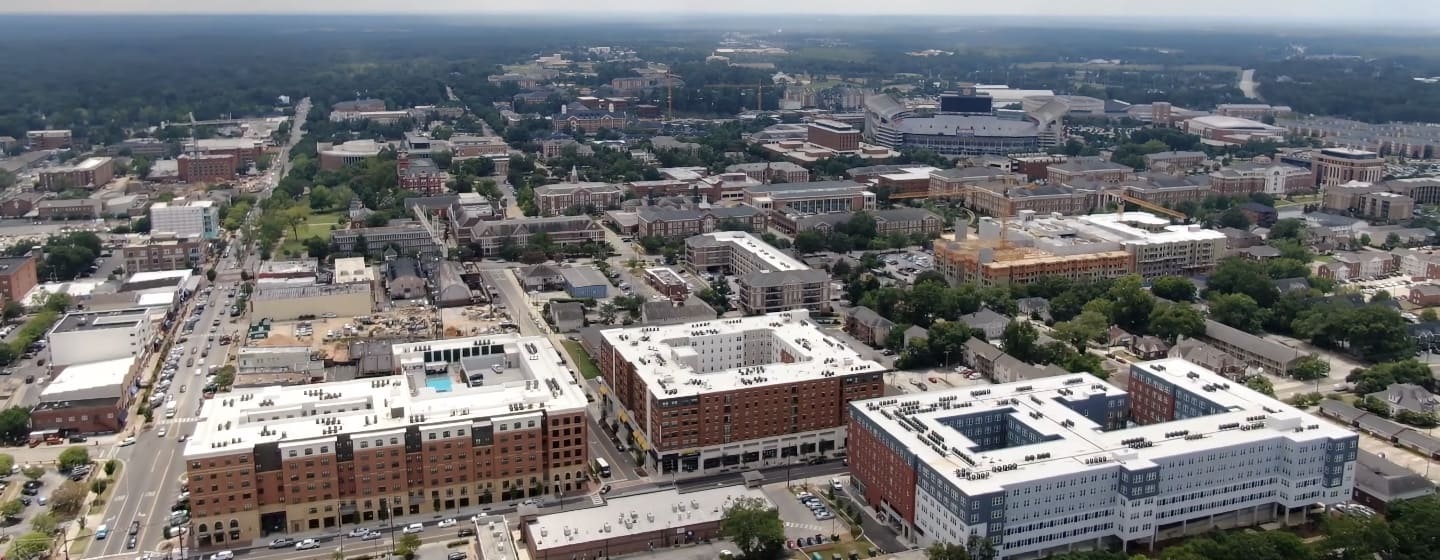
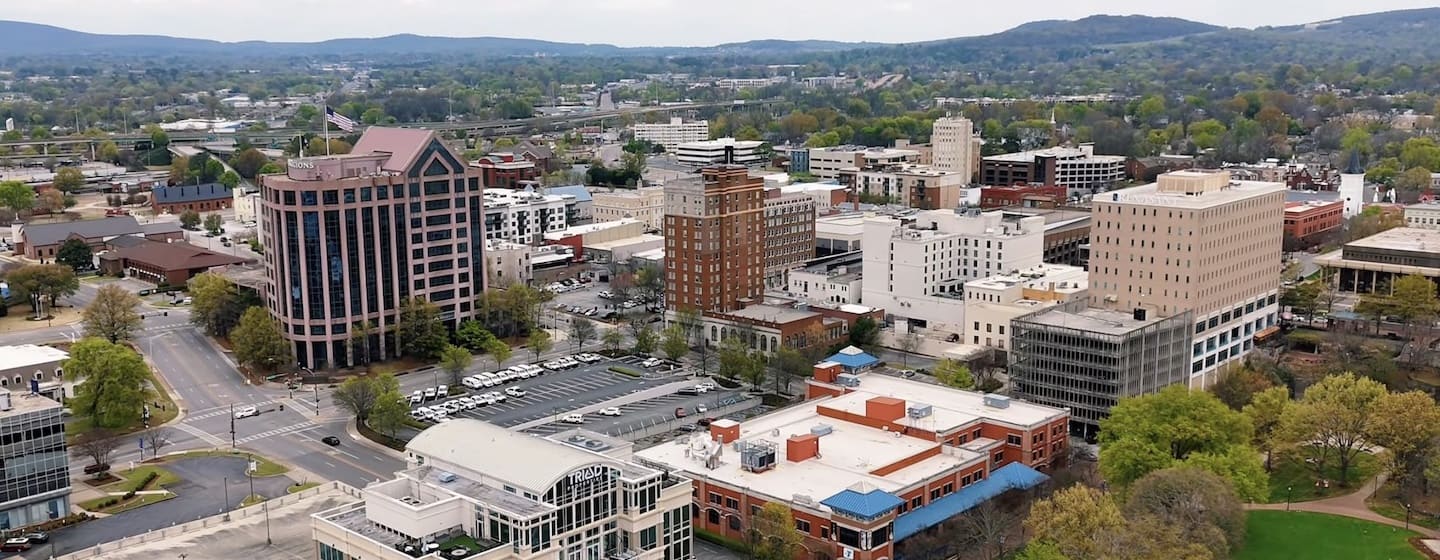
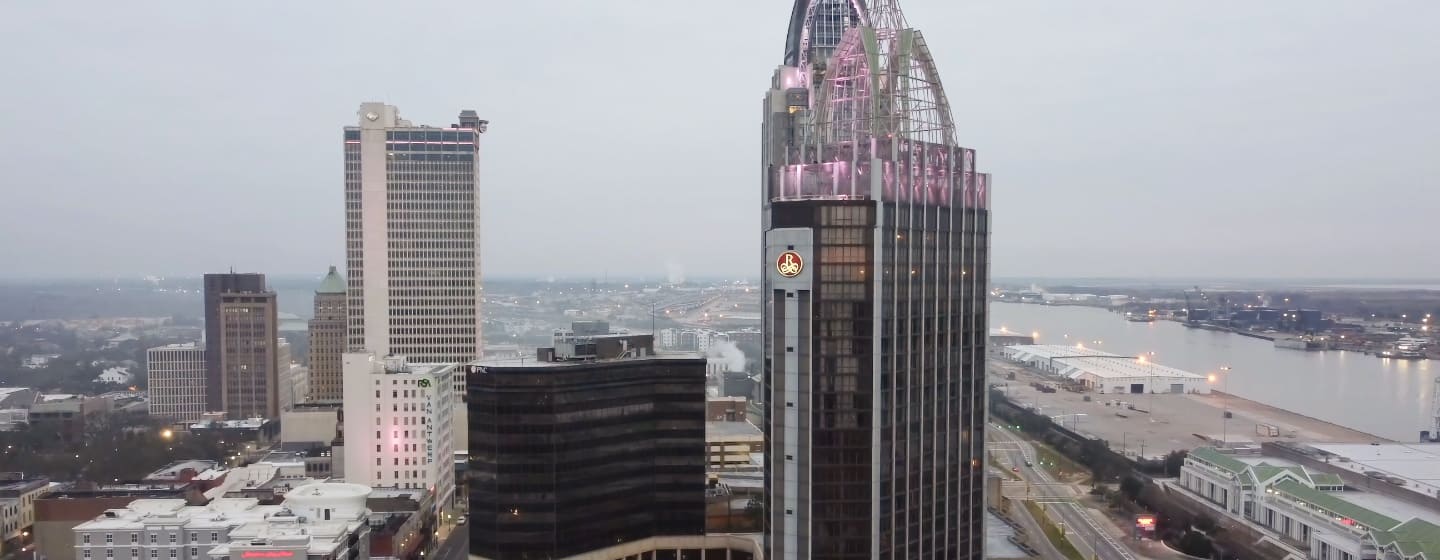
Birmingham, Alabama—fondly nicknamed “The Magic City”—is a vibrant blend of old-world Southern tradition and rising urban modernity.
Its towering skyscrapers stand adjacent to century-old churches, and its deep civil rights history coexists with a flourishing food scene, arts culture, and startup momentum.
But beneath this dynamic surface lies a complex emotional ecosystem, especially when it comes to dating.
I’ve long been fascinated by how culture, community, and psychological patterns shape romantic relationships.
There’s something particularly intriguing about love in Birmingham—a city where sweet tea is served with flirtation and manners are considered non-negotiable.
Dating in Birmingham isn’t just about swiping right or meeting someone at a wine bar in Five Points South.
It’s a psychological dance rooted in Southern values: respect, faith, family, and, yes, a healthy dose of tradition.
But it also wrestles with evolving norms around gender roles, career ambition, and the growing diversity that’s reshaping the city’s identity.
What does it mean to form authentic, intimate connections in a city that celebrates charm but sometimes frowns on emotional transparency?
Why do so many singles here report feeling both warmly welcomed and subtly judged on a first date?
Let’s explore the emotional undercurrents that define dating in the Magic City.
The Southern Script: When Manners Mask Emotional Guardrails
In many ways, dating in Birmingham follows what I call “The Southern Script.”
This unspoken rulebook dictates that first dates should begin with “ma’am” and “sir,” compliments should never be too forward, and compliments on your manners might matter more than your wit.
This isn’t just politeness—it’s deeply psychological. The Southern Script functions as a social lubricant, reducing discomfort through ritual.
A compliment on your accent can feel like genuine interest, when in fact it may be a polite performance of intimacy. The danger? Emotional misalignment.
I worked with a client, Lisa, a 32-year-old marketing professional who moved to Birmingham from Chicago.
She found herself frustrated: “Everyone is so nice, but no one says what they really mean.
I went on five dates with a guy who said I was ‘exceptional’—but when I asked if he wanted to see me again, he said, ‘I don’t think the Lord’s moving me in that direction.’ What does that even mean?”
Lisa’s confusion is common among transplants. In Birmingham, emotional expression is often filtered through politeness, faith, or humor.
Directness can be perceived as brash or even uncouth. This creates a dilemma: How do you assess compatibility when someone might mask disinterest with kindness?
Psychologically, this signals a culture of conflict avoidance. Many Birmingham daters have been socialized to prioritize harmony over honesty. While noble, it can delay emotional intimacy and lead to prolonged uncertainty.
If you’re dating in Birmingham, don’t mistake politeness for interest. Pay attention to follow-through, consistency, and whether they initiate plans. Someone who’s truly interested will make time—even if they preface it with “Bless your heart.”
Faith, Family, and the Weight of Legacy
In Birmingham, faith isn’t just personal—it’s communal.
Over 70% of Alabamians identify as religiously affiliated, many with deep roots in Baptist, Methodist, or Pentecostal traditions. This shapes dating in profound ways.
Many singles prioritize faith compatibility above all.
A 2023 survey by the Birmingham Relationship Institute (a local research collective) found that 81% of singles between 25–40 consider shared religious beliefs “essential” or “very important” in long-term relationships.
On the surface, this seems straightforward. But the psychological implications run deeper.
I’ve counseled countless couples in pre-marital therapy here, and one pattern emerges: mismatched spiritual expectations.
One partner may want regular church attendance, tithing, and evangelism; the other views faith as a private, personal matter.
These differences don’t surface on early dates—they simmer beneath the surface until they erupt, often around major life decisions like marriage, children, or where to live.
Similarly, family is more than a social unit—it’s a psychological anchor. In Birmingham, your family history isn’t just small talk.
A question like “Where’s your family from?” can determine whether you’re seen as “one of us” or an outsider.
This creates identity pressure. Daters often feel the need to over-explain their background, or downplay differences to “fit in.”
One client told me, “It felt like I was being evaluated not just as a partner, but as a future son-in-law to a lineage. That’s a lot of weight for a first date.”
Still, this emphasis on family and faith fosters relational resilience. Couples who align on values often report stronger long-term satisfaction.
The key? Discuss these foundational elements early—not as tests, but as invitations to understand each other.
The Urban Shift: Millennials, Gen Z, and the New Birmingham
While tradition runs deep, Birmingham is evolving. Neighborhoods like Lakeview, Homewood, and Avondale are undergoing renaissance.
Craft breweries, queer-friendly cafes, and pop-up art galleries reflect a younger, more diverse demographic.
This shift is rewriting the dating narrative.
Millennials and Gen Z are entering the Birmingham dating scene with different expectations.
They value emotional intelligence, career alignment, and mental health awareness—sometimes more than church attendance or Southern pedigree.
As one 28-year-old woman told me, “My grandparents dated with an eye toward marriage after three months. I just want to know if someone can talk honestly about their anxiety.”
This cultural shift is causing a generational gap. Older generations may view modern dating behaviors—like taking six months to define a relationship or using therapy as a topic of conversation—as indecisive or unstable.
But from a psychological standpoint, these behaviors reflect emotional maturity and self-awareness.
There’s also a growing movement toward intentional dating—a practice of setting emotional boundaries, prioritizing compatibility, and rejecting performative courtship.
Apps like Hinge and Flirtfordate have gained traction here, but with a Southern twist.
It’s not unusual to see bios that say things like “Looking for slow-building love and weekend hikes” or “Southern raised, city minded.”
These aren’t just catchphrases; they’re psychological signals—invitations to connect on deeper values.
However, urbanization brings its own challenges: The paradox of choice. With more options come higher expectations, longer decision-making cycles, and increased fear of missing out (FOMO).
One man in his early 30s confessed, “I keep thinking the next person will be better. But I’m lonely now.”
Psychologically, this reflects attachment anxiety—a fear of both commitment and regret. The antidote? Self-reflection. Ask: Am I avoiding closeness because I’m truly not ready—or because I’m afraid of making the wrong choice?
The Race and Culture Conversation: A City Reckoning with Its Past
Dating in Birmingham cannot be discussed without acknowledging its complex racial history.
As the epicenter of the Civil Rights Movement, the city carries both a legacy of injustice and a powerful spirit of transformation.
Today, Birmingham is roughly 73% Black and 23% White, with growing Latino and Asian communities. Yet interracial dating remains a nuanced topic.
While younger generations are more open, many still face subtle (or overt) disapproval from family or community.
A 2024 University of Alabama study found that nearly 40% of Birmingham residents have experienced family resistance to a romantic partner due to race.
From a psychological standpoint, this creates relational stress. Partners in interracial relationships often report feeling the need to “prove” the relationship’s legitimacy or defend their choice.
They may also internalize messages about worthiness: Am I betraying my culture? Am I being accepted for who I am—or for fulfilling a stereotype?
On the flip side, many Birmingham couples are using their relationships as tools for healing and education.
“Dating someone from a different background has made me more empathetic, more politically aware,” shared a client named Maria, in a biracial relationship. “Our love feels like a small act of resistance.”
I encourage open dialogue about race in relationships—not as a barrier, but as an opportunity for growth.
Questions like “How did your family talk about other races growing up?” or “What does racial pride mean to you?” can deepen understanding and create safety.
The “Nice Guy” Trap and Gender Dynamics
Another psychological pattern I’ve observed in Birmingham: the “Nice Guy” phenomenon.
Many men here are raised to be respectful, patient, and accommodating—highly admirable traits.
But sometimes, “nice” becomes a performance, masking unmet emotional needs or passive-aggressive communication.
I’ve heard variations of this from female clients: “He says he likes me, but never plans anything. He waits for me to text. Is he interested or just being polite?”
This isn’t about gender—it’s about emotional passivity. In a culture that prizes harmony, assertiveness (especially in men) can be misperceived as aggression. So emotions go unexpressed. Desires go uncommunicated.
On the other side, women in Birmingham often report feeling pressured to be “gracious” even when uncomfortable. Saying “no” to a second date can feel like a personal rejection, especially if the guy was “so sweet.”
The solution? Emotional bravery. Dating well in Birmingham means breaking the script.
It means saying, “I enjoyed our time, but I don’t feel a romantic spark,” without sugarcoating.
It means asking for what you want—whether that’s more frequent dates, deeper conversations, or a discussion about exclusivity.
Healthy relationships thrive on clarity, not just kindness.
Where to Meet Someone (Beyond Church and the Office)
Let’s be practical. Where do singles in Birmingham actually meet?
While church and work remain top spots, new venues are gaining popularity:
- Avondale’s First Thursday Art Crawl – A monthly event where locals browse galleries, sip craft beer, and mingle. Low-pressure and culturally enriching.
- Birmingham Botanical Gardens – Ideal for walkers, plant lovers, and those who appreciate quiet beauty.
- Cooking Classes at Little Avondale or Iron Skillet – Shared activities break the ice better than small talk.
- Meetup Groups – From hiking to board games to mental health discussion circles, these foster genuine connection.
- Volunteering – Many singles meet while working with organizations like Greater Birmingham Ministries or Sidewalk Film Festival.
Psychologically, shared activities create positive association. When you laugh during a cooking disaster or bond over a Van Gogh exhibit, your brain links that person with joy—building attraction naturally.
Avoid the trap of only meeting people online. While apps are useful, they emphasize appearance and short bios, increasing cognitive bias (e.g., “They look cute, so they must be kind”). Real connection often begins with shared experience.

FAQs: The Psychology of Dating in Birmingham, Answered
Yes and no. Birmingham shares many Southern norms—respect, religious emphasis, family focus—but it’s less affluent and more racially diverse than cities like Atlanta or Nashville. This creates a blend of traditional values and grassroots authenticity. You’ll find fewer “social scenes” and more community-based connections.
Psychologically, introducing someone to family too early can create pressure. In Birmingham, it’s not unusual for families to meet dates after 2–3 months—even earlier if the relationship seems serious. If it happens quickly, it may signal strong family involvement. Ask yourself: Am I ready for that level of commitment?
Absolutely. While older generations may still stigmatize therapy, younger Birmingham daters are increasingly open. Mentioning therapy shows emotional maturity. Just avoid deep trauma dumps early on. A simple “I see a therapist to stay grounded” can go a long way.
Look for consistency: Do they follow through on plans? Do they include you in their life (friends, hobbies)? Do they initiate vulnerable conversations? In Birmingham, serious interest is often shown through reliability, not grand gestures.
Acceptance is growing, especially among younger, urban populations. But like much of the South, some families or communities may express discomfort. Open communication and mutual support are essential. Seek out inclusive spaces like Sidewalk Café or the Birmingham Public Library’s diversity events.
Only if they’re core to your identity. In mixed company, these topics can be divisive. But if you’re faith-driven or politically passionate, find subtle ways to signal your values early—like mentioning a favorite podcast or volunteer work. Honesty fosters trust.
Many Birmingham men feel it’s “un-Southern” not to pay. But if you’re uncomfortable, offer to pay your share or suggest a casual meet-up (coffee, walk). If they refuse repeatedly, it may reflect rigid gender roles. Discuss it gently: “I love that you’re generous, but I’d like us to share costs as we get to know each other.”
Final Thoughts: Love with Intention in The Magic City
Dating in Birmingham isn’t about playing by unspoken rules or impressing someone’s parents on the first meeting. It’s about authentic connection in a culture that values both charm and depth.
I believe the healthiest relationships are built on shared values, emotional honesty, and mutual growth—not just sweet tea and Sunday sermons.
Birmingham is changing. And so is love here.
The Magic City may have its contradictions—politeness masking distance, tradition resisting change—but within those tensions lies opportunity: to date with intention, to love with courage, and to build relationships that honor both the past and the future.
So go ahead—swipe, meet up, or strike up a conversation at a sidewalk café. Just remember: Behind every “bless your heart” could be a real heart, worth knowing deeply.
And in the end, that’s the most magical thing of all.