Brooklyn Love Lab: Decoding the Psychology of Dating in the Borough That Never Settles
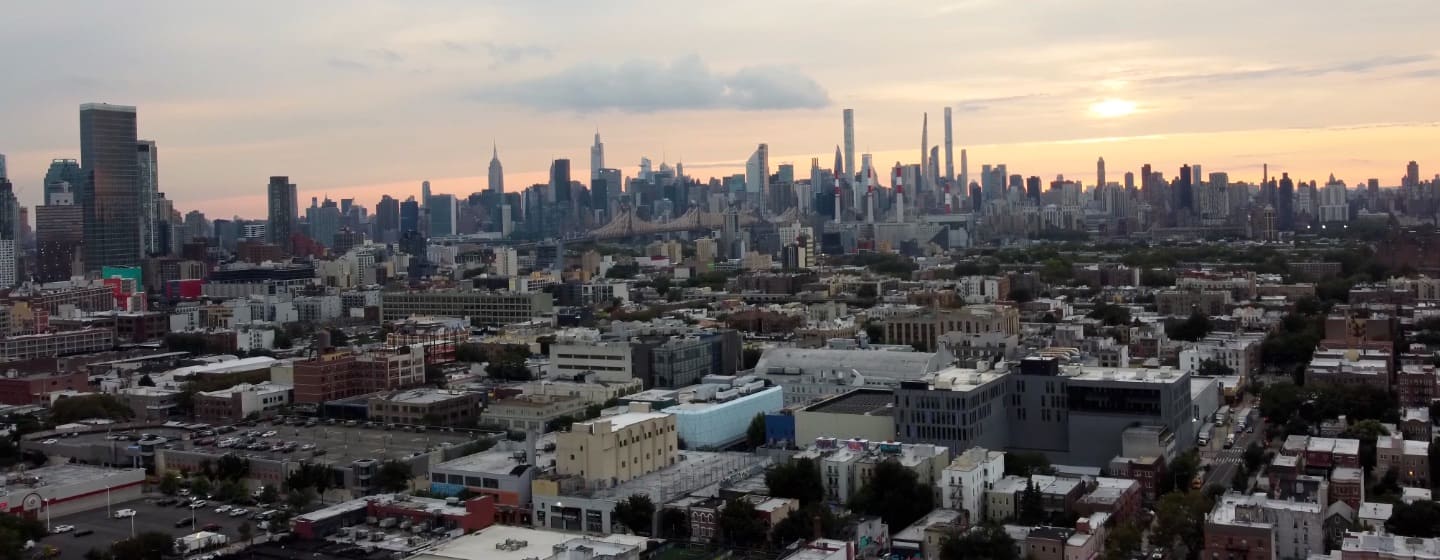
Brooklyn. The name alone conjures images of brownstones bathed in golden sunset, artisan toast at $12 a slice, indie bands in underground warehouses, and sidewalks teeming with people who could be extras in a Wes Anderson film.
But beneath its effortlessly cool veneer, Brooklyn’s dating scene is a psychological puzzle—one shaped by diversity, ambition, and a paradoxical blend of intimacy and isolation.
For over two decades, I’ve sat with clients unraveling the threads of modern love, and Brooklyn consistently emerges as a microcosm of emotional complexity.
With its melting pot of cultures, relentless pace, and hyper-competitive social ecosystem, dating here isn’t just about who you swipe right on—it’s about identity, belonging, and the quiet fight against connection fatigue.
So, what makes dating in Brooklyn different? And how do we navigate it without losing ourselves in algorithms and espresso-fueled first dates?
Let’s pull back the curtain on the emotional choreography of love in the borough.
The “Curated Self”: How Brooklyn’s Identity Culture Shapes Dating
Walk down any street in Williamsburg or Park Slope, and you’ll notice something subtle yet profound: everyone seems to be performing a version of themselves.
Not necessarily in a dishonest way, but through an intentional lens of identity—eco-conscious, artistically inclined, politically awakened, spiritually minimalist.
This culture of self-curated personas profoundly impacts dating. Clients frequently tell me: “I feel pressured to be interesting, not just kind.”
In psychology, we call this “impression management”—the instinct to present the most socially desirable version of oneself. In Brooklyn, it’s amplified.
Here, you’re not just choosing a date—you’re choosing someone whose Instagram story aligns with your values, whose Spotify playlist echoes your vibe, whose political stance passes muster at a dinner party.
Compatibility isn’t just emotional or physical anymore; it’s aesthetic and ideological. And that creates a psychological burden.
One 34-year-old client, Maya, put it perfectly: “I met someone incredible at a reading at Books Are Magic.
We talked for hours. But when I saw their dating profile later—minimal bio, no art references, just hiking photos—I panicked. I started questioning if we were ‘Brooklyn-compatible.’”
This isn’t superficiality—it’s a sign of deeper anxiety: the fear of missing out on a “better” version of love that fits the mold.
The solution? Ground yourself in what truly matters.
Ask: What qualities make me feel seen and emotionally safe? Not, Will this person impress my friends at brunch?
The “Proximity Paradox”: So Many People, So Little Connection
Brooklyn is densely populated, but intimacy? It’s surprisingly scarce.
Psychologists refer to this as the “proximity paradox”—the phenomenon where physical closeness doesn’t equate to emotional connection.
You can live in a 400-square-foot apartment with a roommate, date three people in a week, attend two rooftop events, and still feel profoundly alone.
Why?
In a borough where “busy” is a badge of honor, vulnerability is often sacrificed at the altar of productivity.
People prioritize career hustle, side gigs, and branding their passions on social media. Emotional labor—the effort to create and maintain intimate bonds—often takes a backseat.
I’ve had countless clients express frustration: “They’ll text me about a new kombucha bar, but never ask how my therapy session went.”
This imbalance—between external excitement and internal silence—leads to what I call “connection erosion.” You accumulate experiences and contacts, but few meaningful relationships form.
The antidote? Strategic vulnerability. It doesn’t mean dumping your trauma on the second date.
It means showing up authentically—sharing that you’re nervous, admitting you’ve been rewatching The Apartment because it comforts you, or confessing you prefer quiet nights to gallery openings.
Paradoxically, in a place as flashy as Brooklyn, true intimacy often begins in the quiet moments of shared imperfection.
The “Type” Trap: When Dating Apps Turn Us Into Algorithms
Dating apps promise choice. In Brooklyn, the promise feels like an obligation.
With the swipe economy in full force, many of my clients report feeling like perpetual shoppers in a love bazaar—overwhelmed, indecisive, and strangely dissatisfied.
Research in behavioral psychology shows that when humans are presented with too many options, decision fatigue sets in.
We either delay decisions indefinitely or settle haphazardly. In dating, this manifests as chronic swiping, ghosting, or pursuing relationships out of novelty rather than genuine connection.
But here’s where it gets psychologically fascinating: in Brooklyn, people don’t just have a “type”—they have a lifestyle type.
It’s not just about physical attraction; it’s about compatibility in values, leisure habits, and cultural fluency.
For example:
- “I only date people who compost.”
- “They have to know at least five bands I’ve never heard of.”
- “If they don’t speak a second language, it’s a no.”
These aren’t dealbreakers—they’re filters, often unconsciously constructed to protect against disappointment or to signal belonging to a particular social group.
The issue? Over-filtering creates a loneliness trap. The more specific your criteria, the higher the chance you’ll reject someone who could genuinely care for you but doesn’t bake sourdough or attend silent meditation retreats.
My advice? Distinguish between “core values” and “aesthetic preferences.” Want someone kind, emotionally available, and communicative?
That’s core. Must they also play ukulele and live in Gowanus? That’s aesthetic. Be flexible.
And consider this radical act: delete the apps for a month. Reconnect with people organically—at a friend’s potluck, a poetry slam, a community garden.
Authenticity often finds us when we stop looking so hard.
Cultural Collisions and Emotional Compatibility
Brooklyn is a mosaic. You’ll meet someone raised in a Hasidic community in Borough Park, another from a tech startup in Nairobi, and another whose family has lived in Bed-Stuy for five generations.
This beautiful diversity brings richness—but also psychological friction.
In my practice, I’ve noticed recurring themes in cross-cultural dating:
- Misunderstandings around family expectations (e.g., collectivist vs. individualist norms)
- Differing views on commitment timelines (some cultures value early marriage; others prioritize extended exploration)
- Conflicts about public expression of affection or emotional openness
One couple I worked with—Alex, a third-generation Brooklynite, and Fatima, a Ghanaian immigrant—struggled deeply when Alex’s casual tone with her parents came across as disrespectful.
These weren’t personality flaws, but cultural scripts playing out in real time.
The solution? Cultural humility. Not just tolerance, but a genuine curiosity about your partner’s background.
Ask: What were relationships like in your family growing up? How did your community show love? What do you expect from a partner that might be unique to your upbringing?
Brooklyn’s diversity isn’t just a backdrop—it’s an invitation to grow emotionally.
The most resilient relationships here aren’t those that mirror each other, but those that learn to dance in different rhythms.
The “Wait, Are We Dating?” Phase: Ambiguity as a Defense Mechanism
Ah, the undefined relationship. In Brooklyn, it’s practically a rite of passage.
Clients frequently come to me confused: “We’ve been seeing each other for two months, exclusively, but haven’t used the word ‘boyfriend.’ Are we together?”
Psychologically, this ambiguity serves a purpose. It’s a defense mechanism against rejection and emotional risk.
By not labeling the relationship, both parties can enjoy intimacy while maintaining emotional escape routes.
But here’s the catch: humans are meaning-making creatures. We thrive on clarity.
Prolonged ambiguity leads to anxiety, resentment, and the dreaded “breadcrumbing”—being fed just enough attention to stay hooked, but never enough to feel secure.
So how do you move forward?
- Name it to tame it. Choose a calm, low-pressure moment to say: “I really enjoy spending time with you. I’m wondering how you see this evolving?”
- Observe behavior, not just words. Are they introducing you to friends? Including you in plans months ahead? Responding to texts with warmth and consistency? Actions often speak louder than vague labels.
- Know your non-negotiables. If you need clarity within six weeks, say so. If you’re okay with slow-building exploration, communicate that too.
In Brooklyn, where everyone’s “figuring things out,” it’s courageous—not clingy—to ask for clarity.
Gentrification and the Emotional Geography of Dating
Let’s talk about something rarely addressed: how gentrification shapes love.
As neighborhoods like Bushwick and Crown Heights undergo rapid transformation, dating becomes entangled with socio-political realities.
A coffee date in a trendy café might sit across the street from a family displaced by rising rents.
Who you date—and where you date—can unintentionally signal class, privilege, and belonging.
I’ve had clients confront this head-on:
- A white professional dating a long-time Black resident of Bedford-Stuyvesant, grappling with power imbalances.
- A queer couple debating whether to move into a luxury condo that replaced a community arts space.
These aren’t just logistical concerns—they’re emotional landmines. Guilt, defensiveness, and identity conflict often arise.
The path forward? Radical honesty and shared values. Discuss your views on housing, community, and equity.
Ask: How do we honor this neighborhood’s history while living in it? How do we show up as allies, not just residents?
Love in Brooklyn isn’t just personal—it’s political. The strongest relationships here acknowledge that.
Reclaiming Romance: Dating Beyond the Aesthetic
Brooklyn’s dating culture often feels like a performance: the right outfit, the perfect bar, the witty banter.
But real love isn’t curated—it’s messy, resilient, and built on small, daily acts of care.
One of my most transformative insights as a psychologist is this: sustained intimacy isn’t about grand gestures. It’s about emotional consistency.
It’s the partner who remembers you hate cilantro.
The one who texts, “Saw a dog that looked like your childhood pet. Made me smile.”
The one who sits with you in silence during a hard week, no fix-it energy, just presence.
In a borough obsessed with novelty and reinvention, these quiet moments are revolutionary.
So here’s my challenge:
- Plan one date that costs nothing—a walk through Prospect Park, a picnic with homemade sandwiches.
- Share a memory from childhood that shaped your view of love.
- Silence your phone for an hour and simply talk.
Let love be something you feel, not just something you perform.
FAQs: Your Brooklyn Dating Dilemmas, Answered
Look for consistency: Do they initiate plans? Respond in a timely way? Share personal thoughts and feelings? Serious interest shows up in reliability, not just intensity. If you’re unsure, gently express your desire for clarity and observe their reaction.
Absolutely. Loneliness isn’t just about being alone—it’s about feeling unseen. Dating several people superficially can deepen loneliness. Consider focusing on fewer, more meaningful connections.
Brooklyn attracts people at all life stages—some want marriage, others want open relationships. Be honest about your timeline early. Use questions like: “What does a healthy relationship look like to you right now?”
Both have value. Dating within your culture or subculture can offer shared understanding. Dating outside broadens your emotional world. The key is mutual respect and curiosity.
It hurts, but it’s not a reflection of your worth. Ghosting often says more about the ghoster’s avoidance than your desirability. Focus on people who show up with integrity. And if you ghosted someone—reflect. Could a simple “I’m not interested” have spared pain?
Yes, if both partners engage with honesty and humility. Acknowledge power imbalances. Attend community meetings together. Support local, minority-owned businesses. Let your relationship be a space of learning, not defensiveness.
More than okay—it’s wise. If you’re emotionally drained, take time to reconnect with yourself. Date yourself first. Brooklyn will still be here when you’re ready.
Final Thought: Love in the Time of Brownstone Dreams
Brooklyn doesn’t hand you love on a silver platter. It challenges you to show up—authentically, courageously, humbly.
In this borough where everybody’s reinventing themselves, the most radical act might be to stop performing and start connecting.
To choose depth over aesthetics. To say, “I don’t need you to be interesting. I just need you to be real.”
I’ve come to see Brooklyn not just as a place, but as a state of mind—one that tests our capacity for intimacy in a world of endless choices.
So go ahead: swipe, flirt, sip that oat milk latte. But don’t forget to look up. To listen. To risk saying something vulnerable in a crowded bar.
Because beneath the veneer of cool, Brooklyn’s greatest offering isn’t the perfect date.
It’s the possibility of being known. And that—truly—is priceless.