
The Pennsylvania Paradox: Tradition Meets Modernity in Relationships
Pennsylvania is a state of contrasts. From the cobblestone streets of Lancaster County, where Amish communities uphold centuries-old courtship rituals, to the bustling dating scenes of Philadelphia and Pittsburgh, the Keystone State offers a kaleidoscope of romantic possibilities.
For psychologists, this blend of tradition and modernity presents a fascinating case study in human behavior, social dynamics, and the ever-evolving nature of relationships.
Dating in Pennsylvania isn’t just about finding a partner—it’s about navigating a cultural mosaic where small-town values, urban diversity, and historical legacies collide.
Whether you’re a lifelong Pennsylvanian or a transplant exploring the state’s hidden gems, understanding these dynamics can unlock the door to meaningful connections.
Let’s dive into what makes dating in Pennsylvania distinct—and how to thrive in this unique environment.
The Roots of Romance—Historical Context and Cultural Foundations
Pennsylvania’s dating culture is deeply influenced by its history.
From Quaker communities that prioritized moral integrity in marriage to the industrial-era influx of immigrants shaping urban relationships, the state’s romantic past is woven into its present-day practices.
Amish Dating: A Glimpse into Simplicity
In areas like Berks and Lancaster Counties, Amish courtship is a deliberate, community-centered process.
Courtships begin with a bundling (a chaperoned meeting where partners sit separately, separated by a blanket) and progress to dating, which often involves family input and adherence to strict values.
For outsiders, this can feel alien, but it reflects a culture that values loyalty, humility, and long-term commitment.
The Impact of Immigration
Pennsylvania is home to one of the largest German, Italian, and Polish populations in the U.S., each bringing distinct relationship norms.
For example, Italian-American communities often emphasize family approval in dating, while Pennsylvania Dutch traditions highlight hospitality and domestic partnership.
These cultural layers create a rich, sometimes complex, backdrop for modern relationships.
The concept of intergenerational socialization is key here. In tight-knit communities, dating isn’t just a personal choice—it’s a reflection of one’s identity and family legacy. Understanding this can foster empathy and reduce misunderstandings.
Urban vs. Rural: Balancing the Dating Scales
Pennsylvania’s population is split between sprawling cities and pastoral landscapes, each with its own dating DNA.
City Dwellers: Diversity, Hustle, and High Expectations
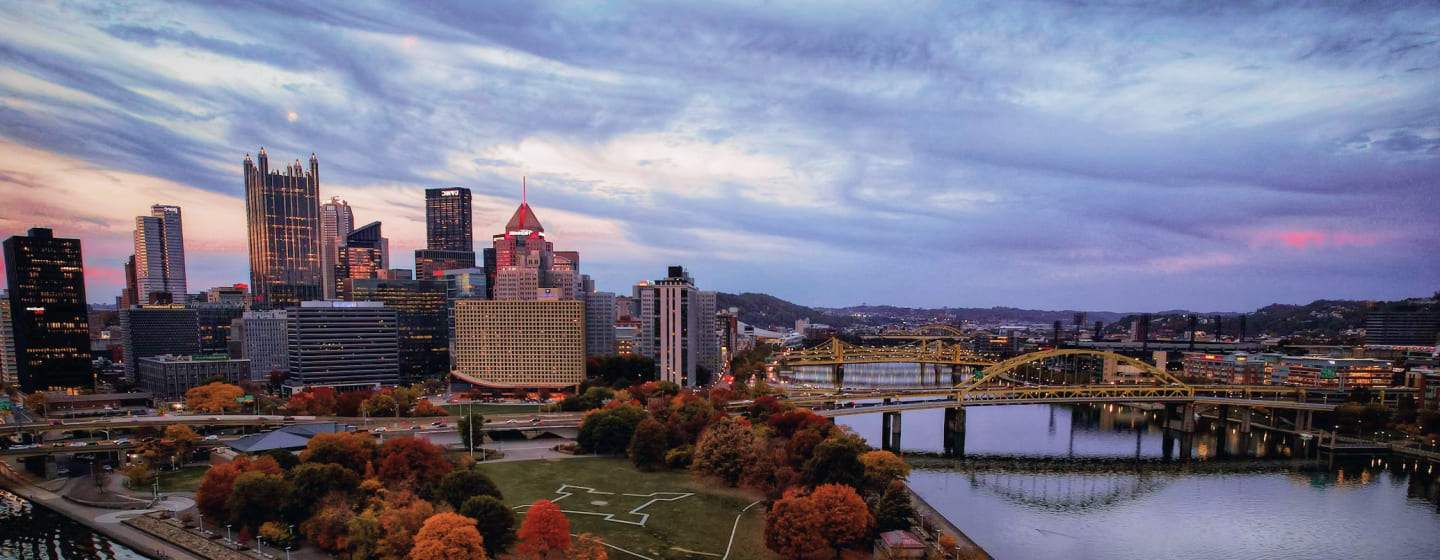
In Philadelphia and Pittsburgh, dating often revolves around social events, bars, and dating apps.
The hustle of urban life means relationships can feel transactional, with many prioritizing shared values or career goals over traditional romance.
Apps like Tinder and Bumble dominate, but deeper connections often stem from mutual social circles or cultural events (e.g., Philly’s art scene or Pittsburgh’s Steelers culture).
Rural Realities: Small Town Charm and Narrow Pools
In places like State College or the Poconos, dating can feel like a game of “dating yourself,” with limited options and strong community ties.
This can lead to pressure to conform to local norms or face the challenge of expanding one’s social network outside the bubble.
The bystander effect is less common in small towns, where everyone knows your business. While this can foster accountability, it may also create anxiety around making a “bad first impression.” In cities, the anonymity can be liberating but may also encourage superficial interactions.
The “Pennsylvania Dutch” of Modern Dating: Navigating Stereotypes and Identity
Pennsylvania Dutch (German-speaking Anabaptist communities) and other regional identities shape dating expectations in subtle ways.
Stereotype Alert: The term “Dutch” often misleads people into thinking of “rustic” or “set-in-their-ways” individuals. While some Dutch communities are progressive, others cling to traditional gender roles. Navigating these environments requires sensitivity and a willingness to ask questions without judgment.
College Towns: Cities like State College (home to Penn State) and State University of New York (Slippery Rock) are melting pots of age ranges and relationship models. Here, polyamory, non-binary identities, and intercultural relationships are more visible—a refreshing contrast to surrounding rural areas.
Cognitive dissonance often arises when urbanites move to rural areas or vice versa. Embracing discomfort as a growth opportunity (a concept called post-traumatic growth) can help bridge cultural divides.
Love in the Digital Age: Apps and Authenticity
Pennsylvania’s dating scene isn’t immune to the rise—and pitfalls—of apps.
Philadelphia and Pittsburgh: App Paradise or Paralysis?
These cities rank among the most active in Bumble and Tinder use, but users report a “boredom paradox”—so many options lead to indecision and lower satisfaction.
Experts recommend focusing on niche apps (e.g., Meetup for shared hobbies) or “low-stakes” meetups (coffee over cocktails) to foster meaningful connections.
Rural App Challenges
In smaller towns, apps like Tinder may not yield many matches. Dating sites focused on interests (e.g., FarmMatch for agricultural professionals) or religion (e.g., JDate for Jewish communities) can be more effective.
Online disinhibition effect—the tendency to act more boldly online—can lead to miscommunication. Video chats or in-person first dates help align expectations.
The “Pennsylvania Nice” Paradox: Kindness vs. Indirectness
Pennsylvania’s reputation for politeness is real. But this “nice” veneer can sometimes mask deeper issues in relationships.
Communication Styles
Pennsylvanians often avoid direct confrontation to preserve harmony. While this can keep the peace, it may lead to passive-aggressive behavior or unresolved conflicts.
For a healthy relationship, open communication is key—and mindfulness practices (e.g., active listening) can help.
Balancing Independence and Togetherness
Many Pennsylvanians value self-reliance, especially in rural areas. However, long-term relationships require interdependence—a balance of autonomy and shared goals.
Attachment theory shines here. Secure attachment is fostered through trust and honesty, while avoidant attachment (common in overly polite cultures) can erode intimacy over time.
FAQs: Your Guide to Dating in Pennsylvania
Pennsylvania’s diverse communities (Amish, urban, immigrant) mean dating practices vary widely. Respect for tradition is common in rural areas, while cities offer more progressive, individualistic models.
In cities, yes—but focus on quality over quantity. In rural areas, niche apps or community events may yield better results.
Family involvement in dating is common in tight-knit communities. Set boundaries with humor and assertiveness (e.g., “I’ll share once we’re both ready!”).
Philadelphia’s arts scene, Pittsburgh’s breweries, and Amish barnyard festivals (yes, really!) are great spots. College towns offer co-ed intramurals or book clubs for deeper connections.
Use “I statements” to express your needs (e.g., “I want to build our relationship gradually”) without dismissing tradition. Compromise is key.
With cities and rural areas as far as 300 miles apart, long-distance can work. Use tools like shared calendars and video calls—but address the emotional toll of physical distance proactively.
Conclusion: Embracing the Keystone State’s Romantic Tapestry
Dating in Pennsylvania is less about fitting a mold and more about navigating contrasts.
Whether you’re attending a Philly poetry night or learning the Amish way of courtship, the key to success lies in flexibility, cultural curiosity, and self-awareness.
I encourage you to approach dating with the same mindset you’d use to explore the state’s rolling hills and vibrant cities: open, patient, and ready to embrace the unexpected.
After all, love—like Pennsylvania itself—is a rich, complex tapestry woven from tradition, change, and the courage to connect.
Where will your Pennsylvania love story begin?