

Love on the Great Lakes: Uncovering the Psychology of Dating in Michigan
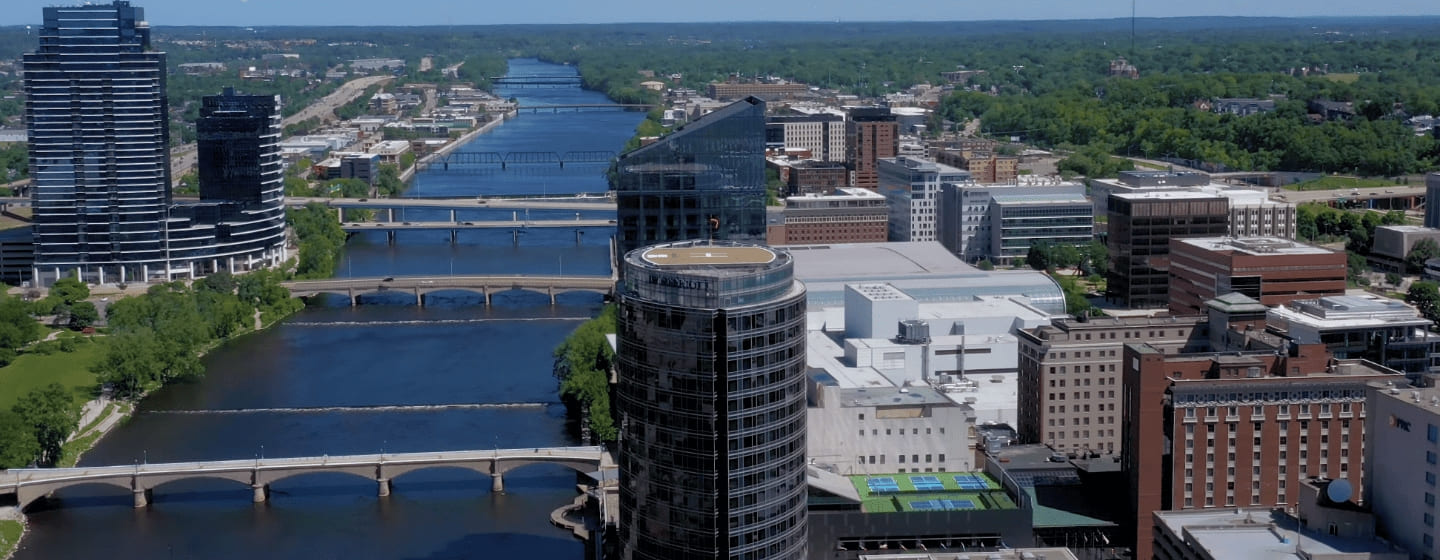
Michigan—a place of striking contrasts. Where pristine coastlines kiss the chill of the Great Lakes, and cities like Detroit, Grand Rapids, and Ann Arbor pulse with cultural revival and innovation.
But beneath the surface of its scenic beauty and urban grit lies something equally complex: the modern dating landscape.
I’ve seen how geography, climate, and culture shape the way people fall in, stay in, and sometimes fall out of love.
Michigan’s dating scene is not just about swiping right—it’s a psychological tapestry woven with seasonal rhythms, community values, and subtle historical undercurrents.
Whether you’re a lifelong resident, a transplant drawn by tech or education, or someone trying to navigate the post-pandemic love world, understanding the emotional terrain of dating in Michigan can make all the difference.
Let’s dive into the heart of it—where romance meets reality.

The Winter Effect: How Cold Climates Cool (or Heat Up) Relationships
If you’ve ever spent a Michigan winter, you know it’s a test of endurance. Snowstorms that trap you at home.
Gray skies stretching for weeks. The kind of cold that seeps into bones—and relationships.
Psychologically, prolonged winter exposure can influence dating behavior in profound ways.
Known colloquially as “hibernation mode,” many Michiganders enter a seasonal withdrawal from social engagement.
This isn’t just anecdotal—it’s supported by research on seasonal affective patterns and social motivation.
As daylight shrinks, so does the energy to plan first dates or maintain momentum in new relationships.
But here’s the twist: winter can also spark deeper emotional intimacy. With fewer outdoor distractions and more time spent indoors, couples often report accelerated emotional bonding.
Shared cozy nights, heated conversations over hot chocolate, or surviving a power outage together can create a strong narrative foundation—”We made it through winter together.”
On the flip side, dating during these months demands intentionality. Without proactive efforts—scheduled coffee meetups, indoor event planning, or even virtual dates—relationships can stagnate.
The psychological principle of social momentum applies: when interactions become rare, emotional connection weakens.
So what’s the takeaway? Don’t fight winter—use it. Turn off the TV, put down your phones, and create space for authentic connection.
And if you’re single, consider joining winter-friendly social groups—book clubs, cooking classes, or ice skating meetups. These environments reduce pressure while fostering natural rapport.
Rust Belt Romance: How History Shapes Hearts
Michigan’s identity has been shaped by industry, decline, resilience, and rebirth.
Once the heart of American manufacturing, cities like Detroit carried the weight of economic collapse, population loss, and urban decay.
But in recent years, a quieter revolution has taken place—one of cultural resurgence, creative entrepreneurship, and social reinvention.
This history influences dating in subtle, often unconscious ways.
People who grew up in Rust Belt communities often value resilience, practicality, and loyalty—traits forged in environments where survival required grit.
These values trickle into romantic relationships. A partner who “sticks around,” who’s resourceful, who can fix things (literally or emotionally), is often seen as more desirable than one who’s flashy but fragile.
In therapy sessions, I’ve noticed that many Michigan daters express deep skepticism toward perfection—especially when it comes to potential partners.
There’s an ingrained cultural humility, a wariness of grand promises. Instead, authenticity and consistency are prized.
A person who owns their flaws, shows up during tough times, and doesn’t pretend to have it all together? That’s romantic gold in Michigan.
Meanwhile, urban renewal has introduced new dynamics. Downtown Detroit, once avoided after dark, now buzzes with art galleries, craft breweries, and live music.
This renaissance has attracted a younger, diverse crowd—transplants from Chicago, New York, even California—who bring different dating expectations.
They may prioritize spontaneity, adventure, or Instagram-worthy moments.
This collision of old and new creates an interesting tension in the dating pool—one where traditional Midwestern sincerity meets modern urban explorers.
The key to navigating it? Self-awareness. Ask yourself: am I seeking stability or excitement? Depth or variety?
Michigan offers both—but knowing what you truly want prevents mismatches rooted in lifestyle, not love.
College Towns & Big Cities: The Great Dating Divide
Michigan boasts some of the nation’s most vibrant college towns—Ann Arbor, East Lansing, Kalamazoo—alongside rapidly growing urban centers like Grand Rapids and Detroit.
Each environment cultivates a distinct dating ecosystem.
In college towns, the dating pool is fluid, youthful, and often transient. Relationships may form quickly in shared classes or Greek life, but longevity is rare.
The dominant psychological force here is temporal perspective: students are acutely aware that their time in the town is limited.
This creates a “now-or-never” urgency, where emotional intensity can skyrocket—but so can conflict and burnout.
Moreover, the college atmosphere encourages experimentation. People test different identities, explore sexuality, and redefine what they want in a partner.
While this growth is healthy, it can lead to mismatched expectations. One partner may be ready to settle down; the other is still exploring.
In larger cities, especially Detroit and Grand Rapids, the dating scene is more mature but equally complex.
There’s a wider demographic spread—you’ll meet professionals in their 30s and 40s, single parents, artists, and entrepreneurs.
But density doesn’t equal ease. Urban dating is often marked by high choice overload, a phenomenon studied extensively in social psychology.
When you’re swiping through hundreds of profiles or attending crowded bar events, the paradox of choice kicks in: more options lead to less satisfaction.
People delay commitment, always wondering if someone “better” is just one swipe away.
I’ve worked with clients who’ve gone on dozens of dates in a year, yet feel lonelier than ever. The abundance of choice can dilute emotional investment.
So what’s the solution? Limit your field. Use apps with intention—set a weekly swipe limit.
Attend smaller, interest-based gatherings.
In Grand Rapids, for example, there are thriving communities centered around art, sustainability, and faith. These natural filters help you connect with people who already share your values.
The Ghost of Distance: Long-Distance and Commuter Love in Michigan
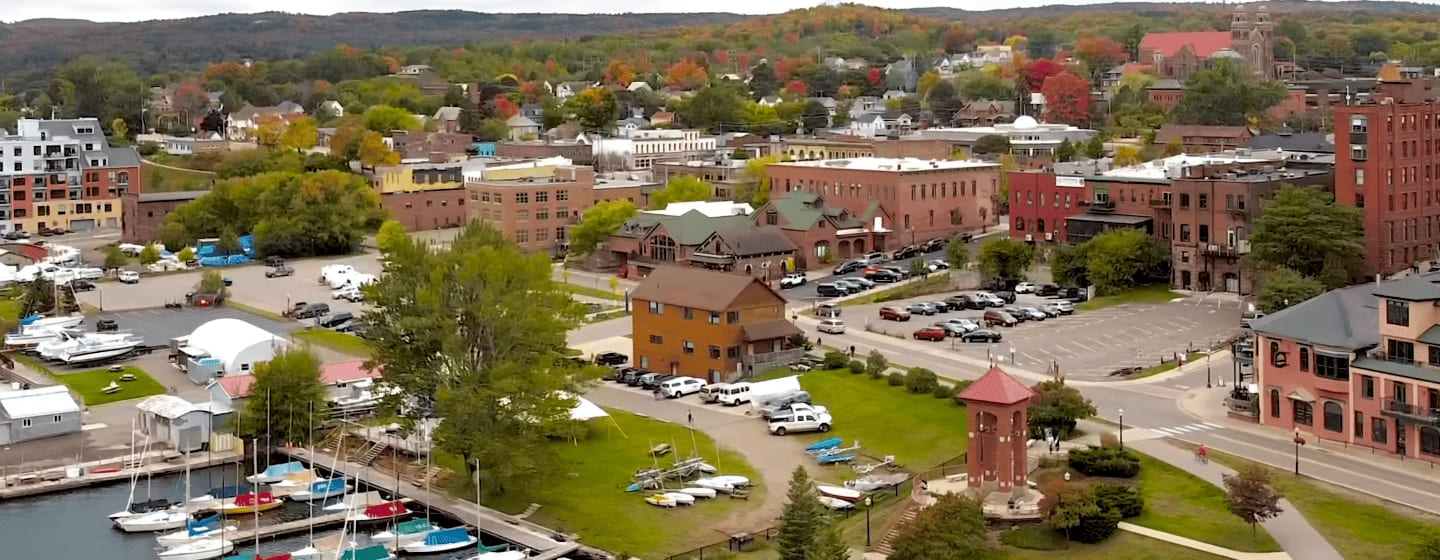
Michigan’s geography is unique—long and narrow, split by a narrow stretch of water between the Lower and Upper Peninsulas.
Cities are often hours apart, and rural areas dominate much of the state. This spatial reality creates a distinct dating challenge: long-distance and commuter relationships.
I’ve counseled countless couples who drive two hours for a date night, text throughout the week, and live for weekend reunions.
While technology makes connection easier, the emotional toll of physical absence is real.
Studies show that couples in long-distance relationships often report higher levels of emotional intimacy—but also greater anxiety about the future.
Common psychological stressors include:
- Fear of missing out on daily life (e.g., not sharing meals, inside jokes, or spontaneous moments)
- Imbalance in effort (“I drove two hours, but they didn’t text back for hours”)
- Uncertainty about when or if the gap will close
Successful long-distance couples in Michigan tend to share a few key traits:
- Clear end goals – They have a timeline for closing the gap, whether it’s a move, job transfer, or graduation.
- Rituals of connection – Weekly video calls, shared playlists, or even watching the same movie simultaneously.
- Realistic expectations – They accept that frustration and loneliness will arise—and plan for it.
For those considering a long-distance relationship, ask: Is this temporary, or indefinite?
Are both partners equally invested? And most importantly: what happens when one person’s life changes—will the relationship adapt, or fracture?
Avoid romanticizing the “struggle.” Distance can strengthen love, but it can also expose cracks that proximity might have masked.
Faith, Family, and the Quiet Influence of Tradition
Michigan is home to diverse religious and cultural communities—Catholic enclaves in southeast Michigan, Amish farms in the west,
Muslim populations in Dearborn, and growing LGBTQ+ spaces in cities. These communities shape dating norms in often unspoken ways.
For many, family approval remains a critical factor in relationship success. In cultures with strong family orientation—such as Arab-American or Eastern European communities—dating isn’t just between two people; it’s between two families.
I’ve worked with clients who delayed relationships for years out of fear of parental disapproval.
Similarly, faith can serve as both a foundation and a boundary. Church groups, religious retreats, and faith-based dating apps are popular among those seeking partners who share their values.
The psychological benefit is clear: shared beliefs reduce conflict and increase relationship stability.
But tradition can also create pressure. The expectation to marry by a certain age, to have children, or to conform to gender roles can lead to anxiety and resentment.
I encourage clients to reflect: Are these values mine, or are they inherited? Am I choosing a partner for love—or for approval?
The healthiest relationships form when individuals honor their heritage while maintaining personal agency. Tradition can guide, but it shouldn’t dictate.
The Digital Frontier: How Apps Are Rewriting Michigan’s Love Story
Dating apps have transformed how Michiganders meet. Bumble, Hinge, Tinder—these platforms promise connection with a swipe. But the psychology behind them reveals deeper truths about modern love.
One major shift: the normalization of rejection. In a culture where 90% of matches never lead to a conversation, users become desensitized to being ghosted, unmatched, or ignored.
While this builds resilience, it also fosters emotional detachment. Many clients describe dating as a “game” or “chore,” stripping it of intimacy.
Worse, apps emphasize visual first impressions, leading to shallow judgments. Research shows that people decide whether to swipe within 1.5 seconds—based almost entirely on appearance. This fuels insecurity, body image issues, and performance anxiety.
Yet apps aren’t all bad. They’ve opened doors for introverts, people with niche interests, and those in rural areas with limited options. They’ve also made LGBTQ+ dating safer and more accessible.
So how do you use them wisely?
- Craft a genuine profile. Avoid clichés like “I love travel and tacos.” Instead, share a specific story or passion.
- Set emotional boundaries. Decide how many dates per week you can handle. Allow time to reflect and recharge.
- Move offline quickly. The goal isn’t endless chatting—it’s real connection. Suggest a low-pressure meetup within a few days of matching.
- Practice self-compassion. Rejection isn’t a verdict on your worth. It’s a mismatch, not a failure.
And for those who’ve given up on apps? Try alternative routes: community volunteering, hobby-based meetups, or being set up by friends. Organic connections often carry deeper emotional resonance.

When Love Hurts: Navigating Breakups and Divorce in Michigan
No discussion of dating is complete without addressing heartbreak. Michigan’s divorce rate sits slightly below the national average, but emotional fallout remains a common theme in therapy.
Breakups here often carry unique stressors: small-town visibility, shared social circles, and long winters that make healing harder. There’s a sense of being “stuck”—geographically and emotionally.
Psychologically, the stages of grief apply: denial, anger, bargaining, depression, acceptance.
But many people get trapped in rumination—replaying conversations, checking ex-partners’ social media, or idealizing what was lost.
Effective healing requires structure:
- Create distance. Unfollow, unfriend, or mute if needed. Your mental health comes first.
- Reclaim your routine. Return to activities you enjoyed pre-relationship. This rebuilds identity.
- Seek support. Talk to friends, join a group, or consider therapy. Isolation prolongs pain.
- Reframe the story. Instead of “I failed,” try “I learned.” Growth is the real victory.
And for those who’ve been through divorce? Re-entering the dating world can feel daunting.
There’s fear of repeating mistakes, guilt over the past, or worry about blending families. But with reflection and emotional clarity, second chances aren’t just possible—they can be more meaningful.
Frequently Asked Questions: The Psychology of Dating in Michigan
It’s different, not harder. Rural areas have smaller pools, which can feel limiting. But they often foster tighter-knit communities where relationships develop naturally through church, work, or local events. The key is being visible and involved.
Watch their consistency. Do they initiate plans? Respond to messages? Show interest in your life? In Michigan’s low-drama culture, actions often speak louder than words. If someone “talks a good game” but flakes often, their behavior is the answer.
Compatibility matters more than alignment. Two people can hold different beliefs and still build a strong relationship—if they practice empathy, respect boundaries, and communicate openly. But if core values (like family, ethics, or lifestyle) conflict deeply, friction is likely.
There’s no universal timeline. But if three months have passed and you’re still unclear about status, initiate the conversation. Avoid mind-reading. Say something like: “I’m really enjoying getting to know you. How do you see this going?”
Only if everyone involved knows and consents. Ethical non-monogamy is valid. But secrecy and deception damage trust. Be honest—with others and yourself—about your intentions.
Remember: rejection reflects incompatibility, not worth. Allow yourself to feel hurt, but don’t personalize it. Write it out, talk to a friend, then redirect your energy. The right person won’t make you question your place in their life.
Final Thoughts: Dating with Heart in the Mitten State
Michigan teaches a quiet lesson about love: that depth often grows in challenging soil.
Whether it’s enduring winter’s chill, rebuilding after loss, or navigating the clash of tradition and change, Michiganders bring a grounded, resilient energy to their relationships.
My advice is simple: date with intention, not distraction. Know your values. Honor your emotions. And never underestimate the power of showing up—on a snowy night, in a crowded bar, or across a shaky Wi-Fi connection.
Because love here isn’t about perfection. It’s about presence. About choosing connection, again and again, even when the world feels cold.
And in a state that thrives on rebirth—from the ashes of industry, the freeze of winter, the ache of heartbreak—there’s hope in every new beginning.
So go ahead. Swipe, meet, talk, stumble, grow. Your Michigan love story is waiting.