Desert Hearts: A Guide to Dating in the Silver State
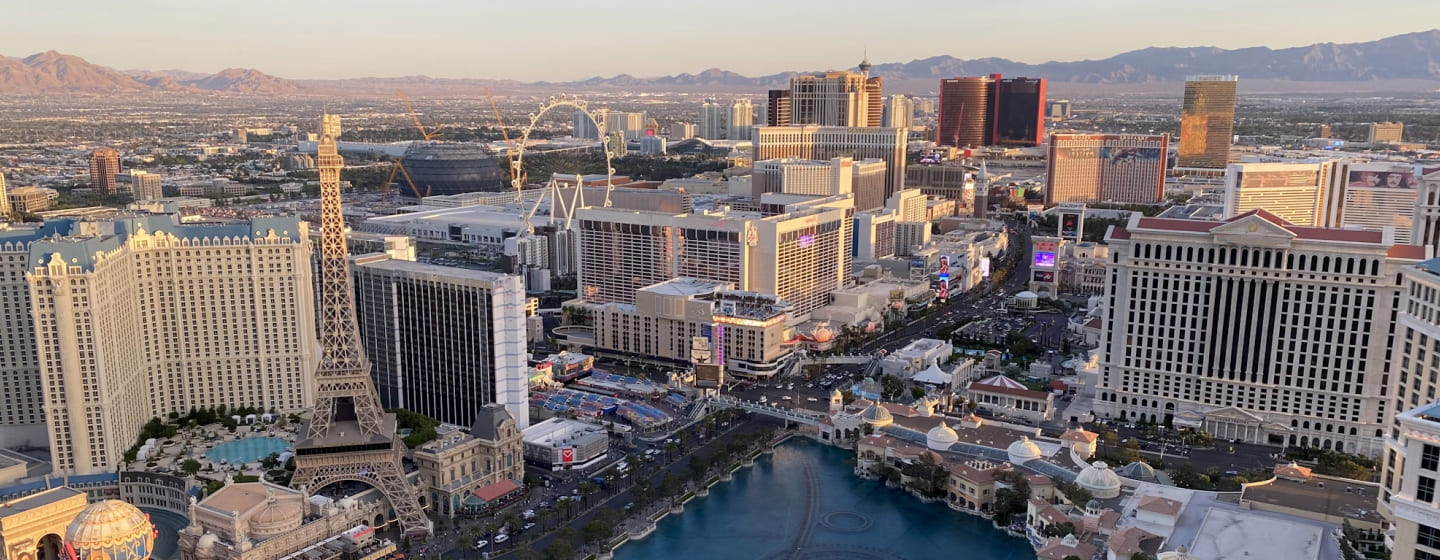
When you picture Nevada, neon lights, desert horizons, and the unmistakable hum of slot machines probably come to mind.
Yet behind the glittering façade lies a surprisingly rich tapestry of human connection—one that is shaped by geography, culture, and the unique rhythm of life in the Silver State.
In this article we’ll explore the psychological underpinnings of dating in Nevada, from the high‑octane allure of Las Vegas to the tight‑knit communities of Reno and the hidden gems of small‑town life.
You’ll find research‑informed insights, practical tools for building healthier relationships, and answers to the most common questions that arise when love meets the desert.

The Nevada Landscape: More Than Casinos
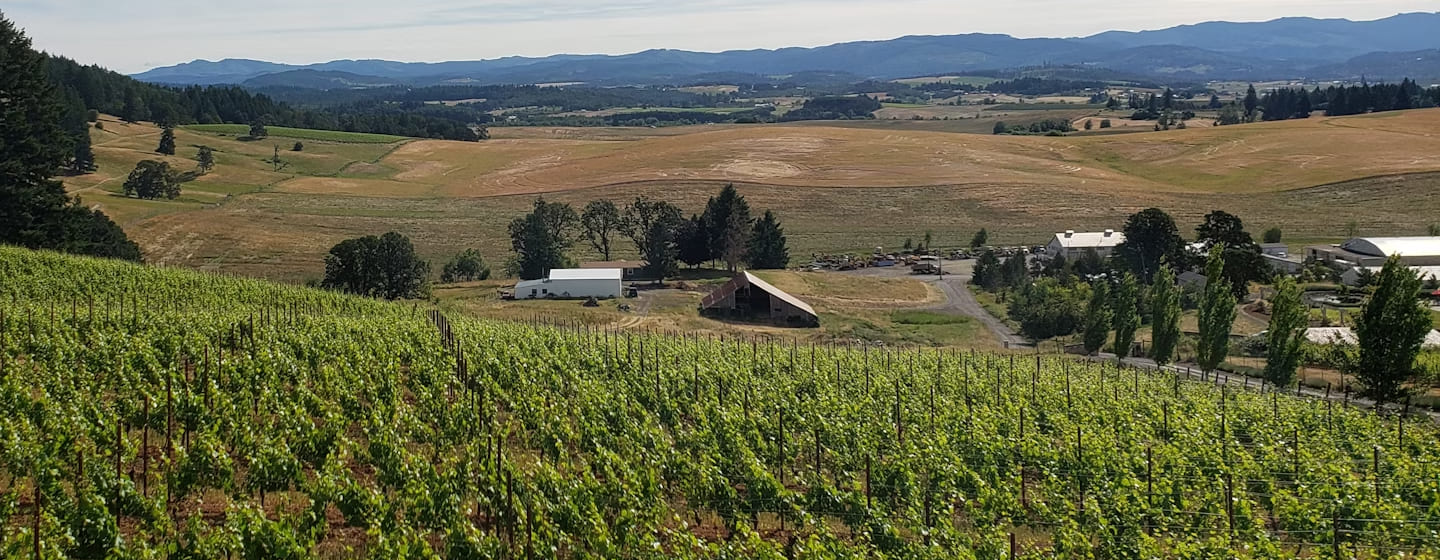
Nevada’s geography is a study in contrast. The expansive Mojave and Great Basin deserts sit side‑by‑side with bustling urban centers, high‑altitude ski resorts, and historic mining towns.
These environments don’t just affect the climate; they shape how people experience intimacy, trust, and commitment.
- Physical Space and Social Proximity – In sprawling cities like Las Vegas, anonymity is a commodity. The ability to walk past a potential partner without being seen encourages a “look‑then‑leave” approach, which can foster superficial connections. In contrast, smaller towns often rely on shared spaces—local cafés, community events, and church gatherings—where repeated exposure cultivates familiarity and a deeper sense of safety.
- Economic Drivers – Nevada’s economy is heavily anchored in tourism, gaming, and the service industry. Many residents work irregular hours, weekend shifts, and high‑stress jobs. These schedules can fragment dating timelines, making it harder to find overlapping free time and increasing the reliance on spontaneous, short‑term encounters.
- Cultural Mythos – The state’s reputation for indulgence (“What happens in Vegas stays in Vegas”) creates a cultural script that normalizes fleeting romance and experimental sexual behavior. While this liberates many from traditional expectations, it also complicates the pursuit of lasting partnership for those who crave depth.
Understanding these macro‑level forces prepares you to navigate the dating scene with greater awareness of why certain patterns emerge.
The Psychology of the Desert: How Environment Shapes Desire
The desert is not just a backdrop; it can be a catalyst for specific emotional states that directly influence dating behavior.
Sensory Stimulation and Arousal
Bright lights, constant activity, and the perpetual “newness” of casino floors trigger the brain’s reward circuitry—dopamine surges that heighten excitement and, inadvertently, sexual arousal.
Research shows that environments rich in novelty increase willingness to take interpersonal risks.
In Nevada, the sensory overload can fast‑track attraction, making the line between genuine interest and momentary impulse blur.
The Illusion of Escape
Many visitors and new residents view Nevada as an escape from the monotony of everyday life.
This “temporary‑freedom” mindset encourages a “live‑for‑the‑moment” philosophy, which may de‑prioritize long‑term compatibility in favor of immediate pleasure.
Psychologically, this aligns with the concept of present‑focused self‑expansion, where individuals seek experiences that broaden their sense of self in the here‑and‑now.
Seasonal Extremes and Mood
Temperature swings—scorching summers and chilly winters—can affect mood regulation.
The lack of natural daylight in winter may predispose some to seasonal affective disorder (SAD), influencing social motivation and the desire for companionship.
Conversely, summer festivals and outdoor events often serve as social magnets, amplifying opportunities for meeting new people.
Love in the City that Never Sleeps: Las Vegas
The “Blink‑and‑Miss” Phenomenon
Walking the Strip, you’ll see countless fleeting glances: a quick smile at the bar, a shared laugh over a slot machine.
The fast‑paced nature of the city produces what I call the Blink‑and‑Miss phenomenon—brief, high‑intensity encounters that rarely evolve into deeper connection.
Why it happens:
- The sheer volume of strangers means competition for attention is fierce.
- Cognitive bandwidth is constantly taxed; people allocate less mental energy to evaluating potential partners beyond the immediate moment.
What to do:
If you’re hoping for something beyond the blink, create a slow‑down ritual: Choose a venue where conversations can linger—an intimate lounge, a comedy show, or a themed dinner.
Signal your intent through body language (maintaining eye contact, mirroring gestures) to differentiate yourself from the background noise.
Fantasy, Escapism, and the “Vegas Lens”
Las Vegas markets itself as a fantasy playground. This image can spill into dating expectations, leading people to idealize partners based on a scripted, cinematic lens.
The risk is a mismatch between the fantasy self (who they wish to be) and the real self (who they actually are).
When you meet someone, ask open‑ended questions that uncover everyday values—family traditions, career aspirations, coping strategies. This gentle probing grounds the interaction in reality, allowing you to assess compatibility beyond the neon glow.
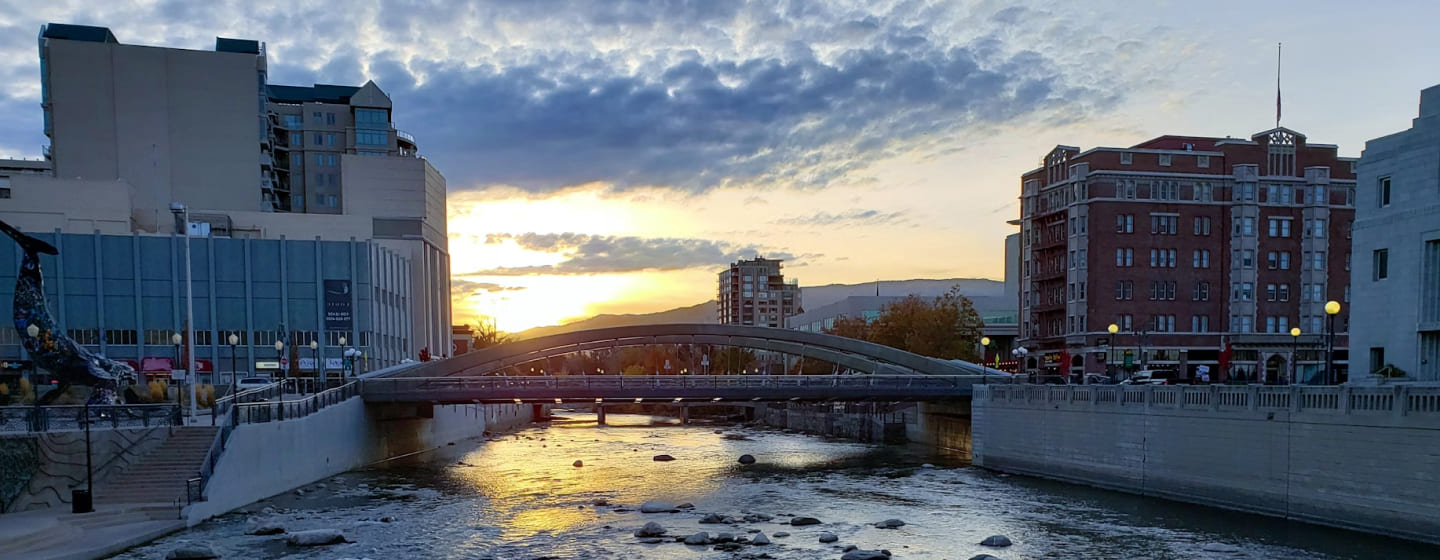
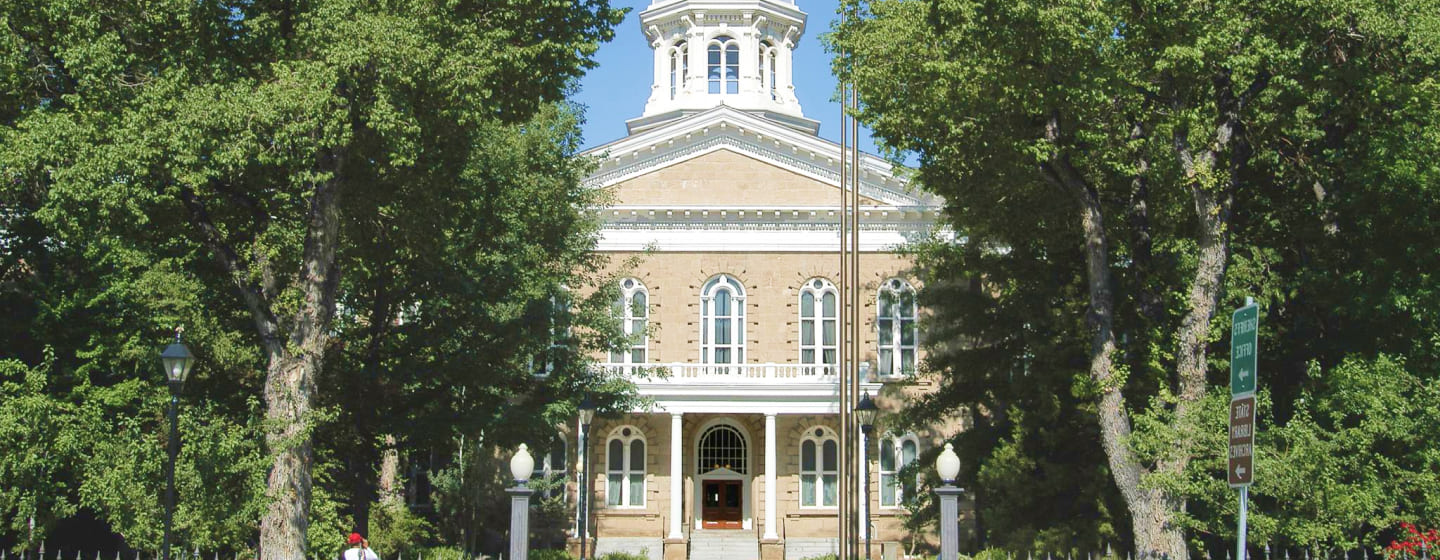
Small‑Town Romance: Reno, Carson City & Beyond
While Las Vegas dazzles, the quieter corners of Nevada offer a different dating rhythm.
Community Ties and Trust
In towns with populations under 30,000, social networks interlace tightly. Mutual acquaintances, local gatherings, and shared history foster a heightened sense of social capital.
Trust is nurtured through repeated, low‑stakes interactions that give relational “proof points.”
If you’re new to a small town, invest in community involvement—volunteer at the library, join a hiking group, attend the farmer’s market. Consistency builds familiarity, which, in turn, creates a safety net for future romantic pursuits.
The “Slow‑Burn” Advantage
Because the dating pool is smaller, relationships often evolve at a slower pace.
This can be advantageous for individuals seeking depth, as it allows for comprehensive assessment of values, emotional regulation skills, and life goals.
Take advantage of the slower tempo by maintaining a dating journal. Record impressions, emotional reactions, and red flags after each date. Over time, patterns emerge, guiding you toward healthier choices.
The Digital Frontier: Online Dating in Nevada
From dating apps to niche community forums, technology is an undeniable force in modern romance.
Nevada’s hybrid environment—high tech in urban centers, limited broadband in remote regions—produces a distinctive digital dating climate.
Swipe Stress and Decision Fatigue
The act of scrolling through dozens of profiles triggers choice overload. Studies show that excessive options can diminish satisfaction with the eventual selection, leading to regret or perpetual searching.
Set a daily limit—e.g., 20 swipes—and stick to a quality filter: prioritize profiles that mention values, hobbies, or life goals over mere aesthetics. The narrowed focus reduces cognitive load and improves decision confidence.
Ghosting & “Benching” in a High‑Turnover Culture
Ghosting—a sudden, unexplained cessation of communication—has become normalized, especially in fast‑moving urban settings where emotional investment is often minimized. “Benching” (keeping someone in the periphery) reflects a desire to preserve options.
Psychological perspective: Both behaviors stem from avoidance coping: individuals sidestep discomfort rather than confront relational uncertainty.
What you can do: When you feel the conversation waning, consider a closure script: “I’ve enjoyed talking with you, but I sense we might be looking for different things. I’d love to end on a positive note.” This approach reduces ambiguity and preserves self‑respect.
Seasonal Sparks: Festivals, Resorts, and the Dating Calendar
Nevada’s social calendar is punctuated by events that create natural meeting points.
- Summer: Burning Man, Reno’s Artown, and the Lake Tahoe Music Festival draw creative, open‑minded crowds. The collective experience of shared art and adventure can fast‑track intimacy.
- Winter: Ski resorts in the Sierra Nevada (e.g., Heavenly, Northstar) attract active, health‑oriented individuals. The shared challenge of navigating slopes provides a metaphorical backdrop for partnership—collaboration, trust, and mutual encouragement.
Attend with a clear social intention: bring a friend for support, set a goal to meet at least two new people, or join a volunteer crew.
Structured participation converts a festive setting into a purposeful dating arena.

Navigating New Norms: Casual vs. Committed in Nevada
The state’s reputation for indulgence often leads people to assume casual encounters are the default.
However, data indicates a steady rise in individuals seeking meaningful connections, even within the gaming and hospitality sectors.
The “Hybrid Relationship” Model
Many residents describe a blend of romantic autonomy and emotional partnership: maintaining personal independence while sharing core life aspects (e.g., finances, living arrangements).
This hybrid model aligns with the interdependence theory—balancing self‑expansion with relational closeness.
Communicate boundary clarity early—state your desire for independence (e.g., “I value my weekend alone time”) alongside your commitment to the partnership (e.g., “I want us to plan a monthly date night”).
The Role of “Non‑Monogamy”
Polyamorous and open relationships have a visible presence in the urban centers, partly due to the community’s acceptance of alternative lifestyle choices.
While these arrangements can thrive, they demand rigorous emotional literacy—clear communication, jealousy management, and strong self‑awareness.
If exploring non‑monogamy, adopt a relationship contract—a written agreement outlining expectations, consent parameters, and conflict‑resolution steps. Treat it as a living document; revisit it quarterly to adjust as needs evolve.
The Impact of the Gaming Industry on Relationship Dynamics
Casinos are more than entertainment hubs; they are micro‑societies with their own social rules.
Employees often face unique stressors—late shifts, high‑stakes financial pressure, and a culture of constant performance.
Stress, Alcohol, and Intimacy
Research consistently links workplace stress and alcohol consumption to decreased relationship satisfaction.
In Nevada, the proximity of alcohol—a staple of the casino environment—can blur boundaries between social flirting and genuine attraction.
Develop mindful drinking habits: set a limit before entering a venue, alternate alcoholic drinks with water, and schedule sober “check‑in” moments with a friend or therapist.
Power Dynamics & Transactional Romance
Positions that involve tipping (e.g., cocktail servers, dancers) can create implicit power imbalances.
Recognizing these dynamics is vital for maintaining ethical and healthy connections.
If a professional relationship feels blurred, have an open conversation about expectations. Transparency protects both parties from inadvertent exploitation.
Mindful Matchmaking: Strategies for Healthy Connections
Below are evidence‑based tools to foster resilient, satisfying relationships, whether you’re navigating a bustling bar on the Strip or a quiet coffee shop in Elko.
The “Three‑Question” Check‑In
After a few dates, ask yourself:
- Do I feel seen and heard? – Emotional attunement is a cornerstone of intimacy.
- Do our core values align? – Examine beliefs about family, career, and lifestyle.
- Do I enjoy their presence even in silence? – Comfort with quiet moments predicts long‑term compatibility.
If the answer is “yes” to all three, you’re on solid ground.
Emotional Regulation Toolbox
Dating inevitably triggers anxiety, excitement, and occasionally disappointment. Equip yourself with:
- Grounding Techniques – 5‑4‑3‑2‑1 sensory exercise before first dates to reduce anticipatory anxiety.
- Cognitive Reframing – Shift “I’m being rejected” to “This is a learning opportunity about what I truly value.”
- Scheduled Self‑Care – Regular exercise, sleep hygiene, and creative pursuits keep your emotional baseline stable.
Building Attachment Security
Your early attachment style (secure, anxious, avoidant) influences dating behavior. If you recognize patterns of clinginess or withdrawal, consider:
- Secure Base Identification – Find a trusted friend or therapist who can serve as a “secure base” during dating stress.
- Gradual Exposure – Slowly increase intimacy levels (e.g., from texting to video calls) to build tolerance without overwhelm.
The Role of Substance Use: Casinos & Alcohol
Nevada’s hospitality sector often intertwines romance with alcohol. While a cocktail can lubricate conversation, reliance on substances may cloud judgment.
- Moderation is Key – Follow the “two‑drink rule”: no more than two alcoholic beverages before a date to preserve mental clarity.
- Alternatives – Explore venues with mocktail menus or early‑evening activities (e.g., sunset hikes at Red Rock Canyon).
If you notice that you (or your partner) consistently need alcohol to feel comfortable, consider seeking support from a counselor specializing in substance‑related relationship issues.
Building Resilience: Coping with Breakups in the Desert
Breakups happen everywhere, but the desert’s starkness can amplify feelings of isolation. Here’s a roadmap to bounce back:
- Acknowledge the Loss – Name the emotions (sadness, relief, anger). Journaling can externalize the pain.
- Re‑Establish Routine – Return to regular sleep, nutrition, and exercise patterns; predictability restores safety.
- Seek Social Support – Lean on friends, support groups, or professional therapy. Community connection counteracts desert loneliness.
- Engage in Meaningful Activities – Volunteer at a local charity, take a pottery class, or join a hiking club. Purposeful engagement redirects focus from the past to personal growth.
- Set Future Intentions – Identify what you want in your next relationship (e.g., communication style, shared values) to transform loss into insight.
Expert Tips: From a Psychologist’s Toolbox
- Use “I” Statements – When expressing needs, frame them from your perspective (“I feel valued when we set aside time each week”). This reduces defensiveness.
- Practice Active Listening – Mirror back what your partner says before responding (“So you’re saying that your work schedule is unpredictable, and you’d like flexibility in our plans?”).
- Schedule “Relationship Check‑Ins” – Even in early stages, a brief monthly conversation about what’s working and what isn’t builds transparency.
- Cultivate “Self‑Compassion” – Treat yourself with the same kindness you would offer a friend navigating the dating world. Self‑criticism erodes confidence and can sabotage future connections.
Frequently Asked Questions (FAQs)
Not necessarily. While Las Vegas’s nightlife promotes casual encounters, the city also hosts numerous community groups, professional networks, and cultural events where deeper connections form. Success depends on where you invest your time and the signals you send about your relationship intentions.
Verify profiles by checking for consistent photos, genuine occupation details, and social media presence. Avoid sharing personal financial information early, and meet in public places for the first few dates. If a user pushes for rapid escalation (e.g., “Let’s move to video chat tonight”), proceed cautiously.
Prioritize clear communication about your schedule. Use a shared calendar app to set aside “date windows.” Focus on daytime activities that align with your partner’s availability, and discuss expectations around spontaneity versus planned events.
Research indicates that couples who develop non‑alcohol‑centric rituals (e.g., morning walks, hobby classes) report higher satisfaction. Moderation and establishing boundaries around drinking, especially during early relationship phases, can safeguard emotional clarity.
Yes. Many cities host polyamory meet‑ups, LGBTQ+ circles, and relationship education workshops. Universities often have counseling centers that provide resources, and online platforms like Meetup list local events focused on ethical non‑monogamy.
Begin by identifying interests—outdoor recreation, arts, volunteering—and join related groups. This creates low‑pressure environments where you can meet people sharing your passions. Simultaneously, set personal goals (e.g., “I’ll attend two social events per month”) to maintain momentum.
Reflect on three markers: emotional stability (you’re not using the relationship to fill a void), alignment of life goals (career, family, lifestyle), and a desire for mutual growth (you’re excited to support each other’s aspirations). If these feel present, you may be ready to transition toward commitment.
Closing Thoughts
Nevada may be famed for its bright lights and endless entertainment, but beneath the surface lies a complex ecosystem of human connection.
By recognizing how geography, culture, and industry shape dating behaviors, you gain a strategic advantage—one that transforms chance encounters into purposeful, fulfilling relationships.
Whether you’re strolling the Strip at midnight, hiking the Sierra Nevada trails, or sharing a coffee in a small‑town diner, approach each interaction with curiosity, self‑awareness, and a willingness to balance freedom with intimacy.
Love, after all, is not just about finding the right person; it’s about cultivating the right mindset in the right environment.
In the expansive desert of Nevada, that mindset can bloom into a resilient, vibrant partnership—one that thrives amid neon, sand, and starlit skies.