Dating in Pensacola, Florida: A Coastal Adventure
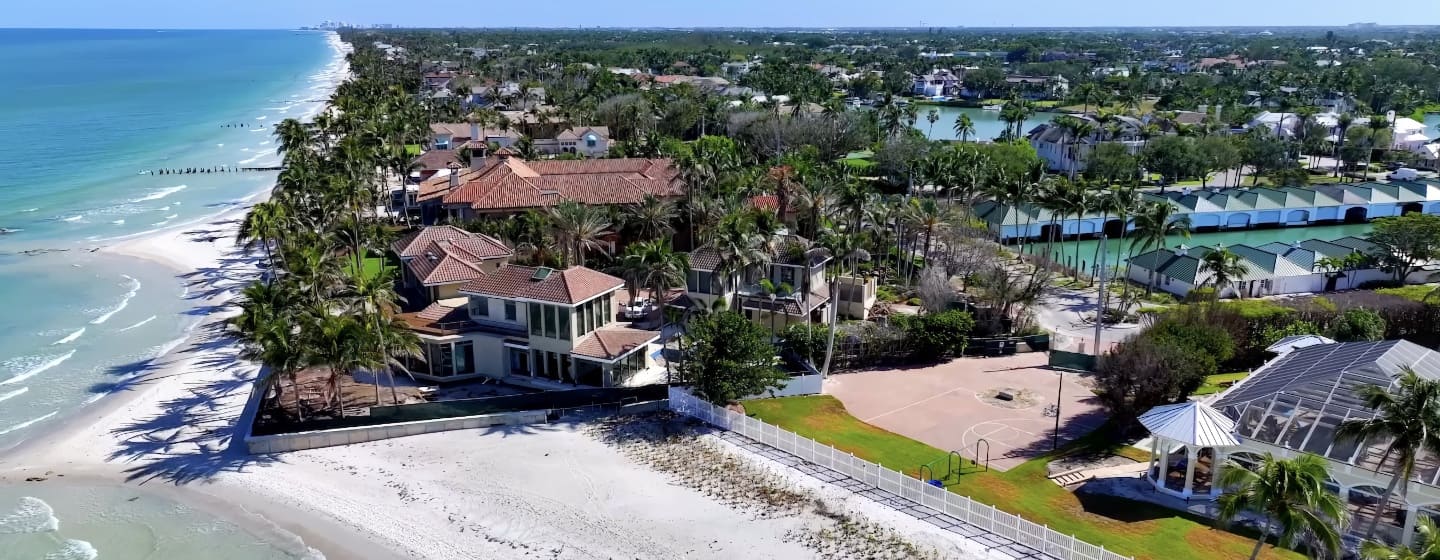
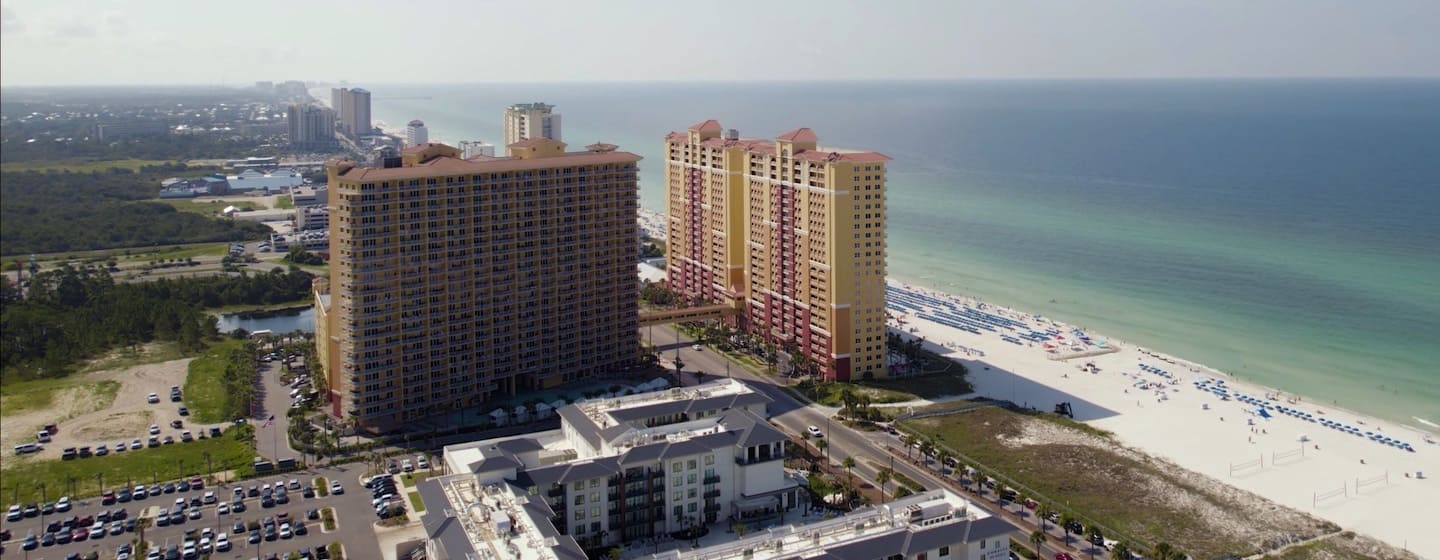
Okay, real talk. When I started counseling singles in Pensacola, I honestly thought the beach would do half my job for me. I mean, look at it. Sunsets over the Santa Rosa Sound. That sugar-white sand. The kind of humidity that makes everyone loosen up a little. Surely romance just kind of… happens here, right?
Yeah, no. It does not just happen. Not automatically, anyway.
I have sat across from enough people in this town to know the truth. Pensacola is a weird, wonderful hybrid. It has the geography of a resort town and the social physics of a small Southern city. Which means you get opportunities here you will not find in Miami or Orlando – and you also get a very specific set of traps. I have watched people circle the same three bars on Palafox Street for years and somehow never meet anyone new. It happens all the time.

So this is not another “best first date spots” list. There are plenty of those. This is about how to actually date here. The psychology of it. The local flavor of it. And the questions you should probably ask yourself before you get tangled up with someone who knows all the same people you do.
The Small-Town Mirror Problem
Pensacola has a metro population north of half a million, which sounds like plenty of fish. But the dating pool does not feel that large. Not even close. This town is tight-knit enough that a bad date can follow you around. Not in a dramatic, stalker-movie way. More in a “wait, you went out with him? His ex is my barista” kind of way.
I have a name for this: the small-town mirror. In a big city, you can reinvent yourself with every new neighborhood. Here? You run into the same faces at the same breweries, the same beach access points, the same trivia nights. That can be lovely. It can also mean that the casual, low-stakes experimentation that young adulthood is supposed to allow becomes weirdly high-stakes.
And this is where the whole friends with benefits thing gets psychologically tricky around here. The research on these arrangements is pretty clear. They can work, but only when both people are genuinely comfortable with ambiguity and have actually talked about what “casual” means before anything physical happens. In a city where everyone knows everyone, the cost of a mismatched FWB situation is not just emotional. It is social. You are not just untangling feelings. You are untangling a shared friend group.
So my advice? Before you slide into that gray area with someone from your kickball league or your favorite downtown bar, ask yourself one question. If this goes sideways, am I prepared to see this person every week for the next two years? If the answer is no, you have your answer.
When Privacy Becomes a Secret
There is another pattern I see with some frequency among younger clients here, and it is worth naming carefully. The sneaky link. A connection you keep deliberately out of public view. No tags. No PDA. No acknowledgment in daylight. The appeal is obvious. It feels exciting. It feels like you are protecting something private in a world that overshares everything.
But there is a difference between privacy and secrecy, and the distinction matters more than people realize. Privacy is something two people choose together. Secrecy is often something one person imposes on the other. If you are seeing someone who never takes you anywhere in public, whose friends do not know you exist, who only texts after ten p.m., you are not in a private relationship. You are in someone else’s private arrangement.
The psychological toll here is subtle but real. Humans are wired for attachment. When we are physically intimate with someone, our brains release oxytocin, the same hormone that bonds mothers to infants and partners to each other. You cannot simply decide not to feel something just because the logistics are convenient. If the secrecy is making you feel small, anxious, or perpetually confused, that is not a sign that you are “too much.” It is a sign that your nervous system is telling you the truth about what you need.

The Gulf as a Therapist
Here is the part where I stop being a buzzkill.
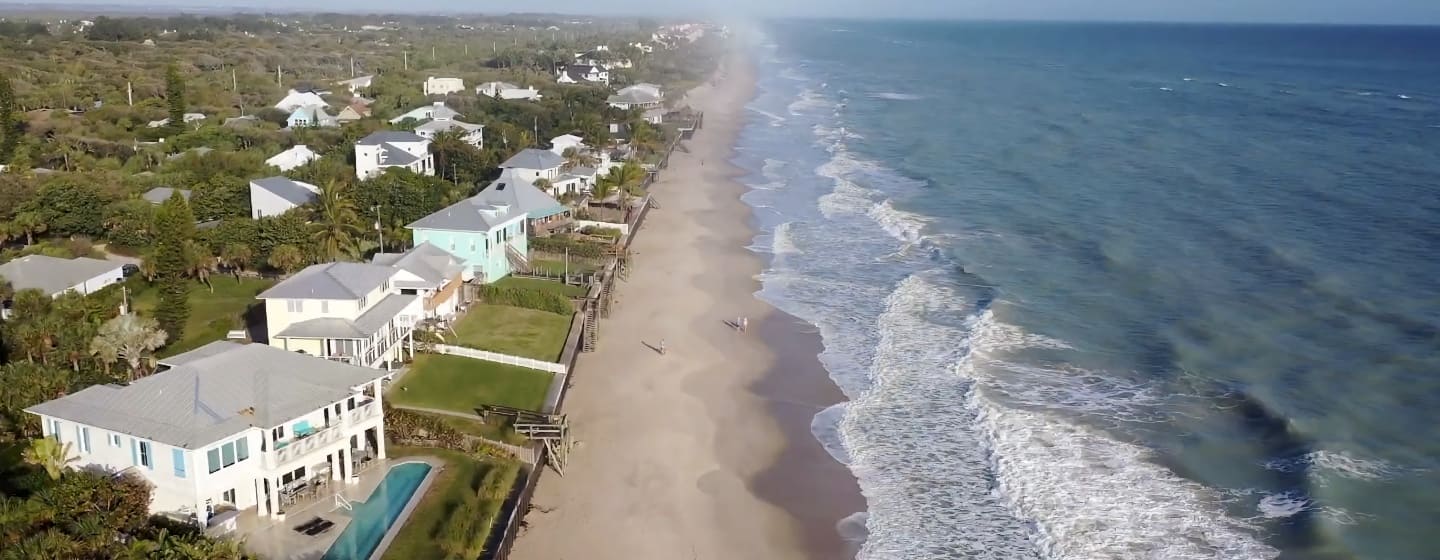
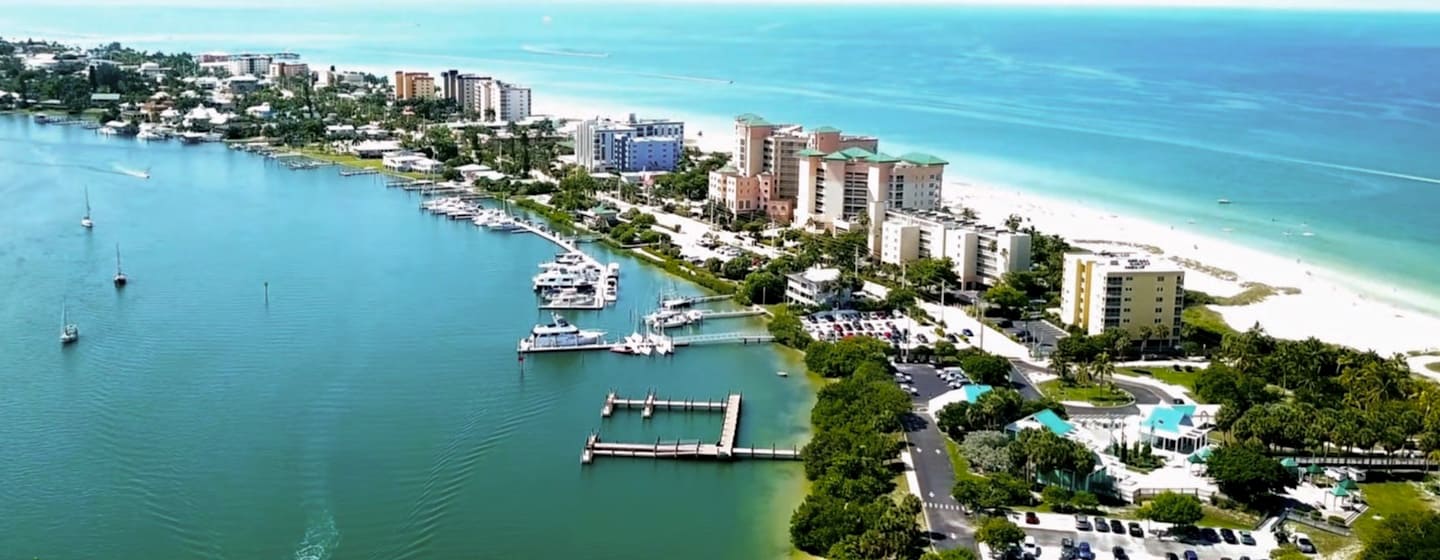
Pensacola has an asset that most dating scenes do not: a built-in de-escalation mechanism. The beach is not just a backdrop. It is a therapeutic intervention. I regularly suggest to clients that they move their early dates outside. A walk along the Gulf Islands National Seashore. A sunset on Pensacola Beach. Anything that puts their bodies in motion and their eyes on something other than each other.
The reasons are both psychological and practical. Side-by-side conversation is less pressure than face-to-face interrogation. The outdoors reduces the intensity of the “interview” feeling that plagues modern dating. And if the date is going poorly, you can cut it short without the awkwardness of sitting across a table from someone who is clearly counting the minutes. Palafox Street is ideal for this. Walkable. Easy to extend or abandon. Full of enough distraction to fill silences that do not need to be filled.
I have also seen the water do something to people that no conversation prompt can replicate. The sound of the surf, the salt air, the sheer scale of the horizon. It quiets the part of the brain that is constantly evaluating and judging. Intimate sex begins long before the bedroom, and it begins with the nervous system feeling safe enough to be present. The Gulf, on a good day, does that for free.
The Intimacy Question Nobody Asks
Which brings me to the thing I wish more of my clients would talk about before they get physically involved with someone new. What does intimacy actually mean to you?
I do not mean the mechanics. I mean the felt experience. For some people, physical closeness is a way to feel connected. For others, it is a way to avoid connection. Both are valid human experiences, but they lead to very different outcomes when two people are not honest about which one they are having.
The research on casual relationships suggests that the people who fare best are those who can separate love from lust without pretending that one does not affect the other. That is a rare skill. Most of us cannot fully partition our hearts from our bodies, and that is not a flaw. It is biology.
If you are considering any kind of physical relationship, whether that is a slow-building romance or something more explicitly casual, the most useful thing you can do is check in with yourself before you check in with the other person. Are you doing this because you want to? Or are you doing it because you are afraid of what will happen if you say no? The answer to that question will tell you more about your relationship readiness than any compatibility quiz ever could.

What Actually Works Here
After years of watching Pensacola singles succeed and fail at this, here is what I have observed.
The people who date well here are the ones who treat the city as a partner rather than a backdrop. They let the beach do what the beach does. They use the tight-knit social fabric to their advantage by being genuinely kind to people they do not end up dating, because they understand they will probably see that person again. They are honest about what they want, even when honesty feels awkward, because they have learned that ambiguity is more exhausting than rejection.
And they do not confuse the feeling of a good sunset with the feeling of a good match. The Gulf Coast is romantic by default. It will make almost anyone seem more interesting than they are. Your job is to notice the difference between the setting and the person sitting next to you.
FAQ
It can be excellent, but it requires intentionality. The beach and the downtown scene provide natural, low-pressure date environments. The challenge is the small-town social dynamic. The dating pool can feel limited, and reputation travels fast. The people who thrive here are those who are direct about their intentions and kind in their exits.
Friends with benefits involves an existing friendship that adds a physical component, with mutual awareness and usually some level of communication about boundaries. A sneaky link is typically more secretive, often kept entirely out of public view, and may not involve an underlying friendship. The psychological risk profile is different. FWB arrangements can work with honest communication, while sneaky links more often leave one person feeling confused or undervalued.
In-person events have made a comeback here. Speed mingling events at local bars and breweries offer structured, face-to-face interaction without the endless swiping. The Seville Historic District and Palafox Street remain natural gathering points, especially on weekends. Outdoor-oriented groups – kayaking, beach cleanups, fishing charters that cater to couples – are also underrated ways to meet people in a low-pressure context.
Be deliberate about variety. If you find yourself at the same three bars every weekend, change one variable. The neighborhood. The time of day. The activity. Say yes to one thing per month that you would not normally do. And be transparent about your intentions early, even when it feels uncomfortable. In a city this size, a reputation for honesty is worth more than a reputation for being mysterious.
Before anything physical happens, and ideally before the second date. The conversation does not need to be heavy. A simple “I am looking for something fairly casual right now, and I want to make sure we are on the same page” is enough. If the other person cannot handle that level of directness, that is information you needed. Ambiguity is not kind. It is just delay.