The Sunshine State of Mind: A Deep Dive into the Labyrinth of Florida Dating
Florida is more than just a peninsula; it is a psychological phenomenon. I have found that the “Sunshine State” offers a dating landscape that is as volatile as its afternoon thunderstorms and as complex as the Everglades.
In Florida, the environment doesn’t just dictate what you wear; it dictates how you love.
From the high-octane, status-driven streets of Miami to the silver-haired “Carpe Diem” culture of The Villages, dating here requires more than just a good profile picture.
It requires a deep understanding of the unique psychological stressors and incentives that drive people to the edge of the continent.

The Peter Pan Paradox: Why No One Records Their Age in the Tropics
One of the most prevalent psychological patterns I observe in Florida is what I call the “Endless Summer Syndrome.”
In most parts of the world, the changing of the seasons acts as a biological metronome. The crisp air of autumn signals a time for “cuffing,” while the rebirth of spring encourages new beginnings.
In Florida, however, it is perpetually July. This lack of seasonal transition creates a state of “liminality”—a sense of being caught between stages of life.
When the weather never tells you it’s time to grow up, many residents experience a prolonged adolescence.
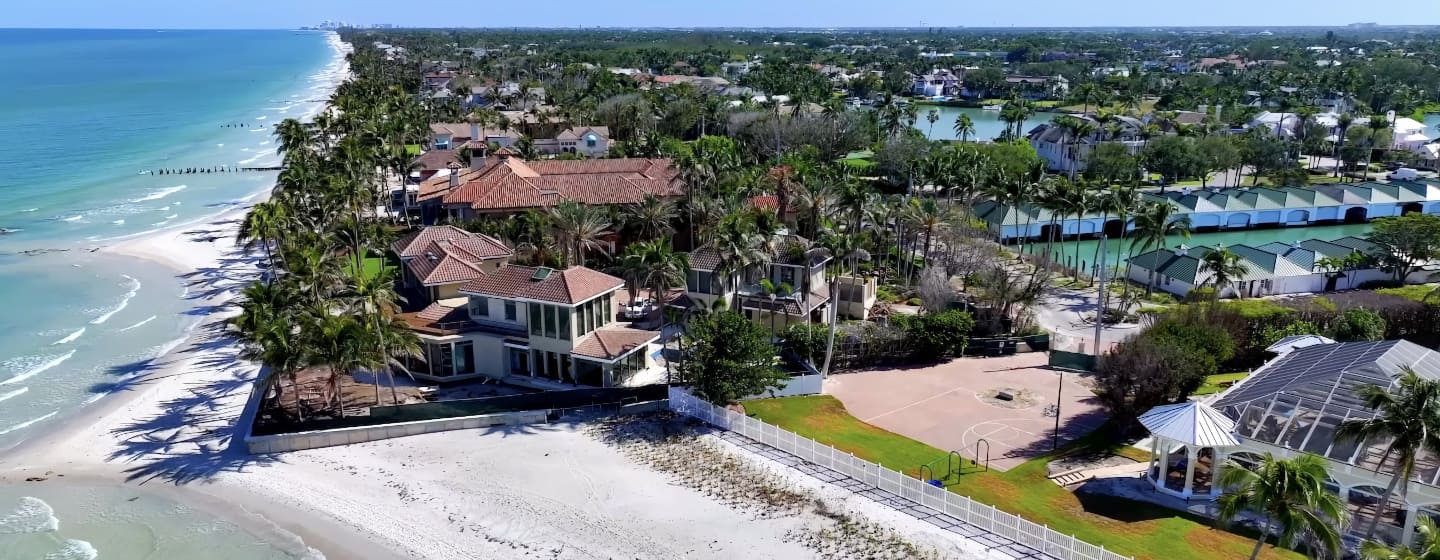
This is particularly prevalent in coastal cities where the “beach lifestyle” encourages a focus on the aesthetic and the immediate.
From a clinical perspective, this leads to a high prevalence of avoidant attachment styles.
Why commit to a “forever” partner when the sun is always out and there’s always a new arrival at the tiki bar?
The “Peter Pan” energy in Florida makes long-term planning feel claustrophobic for many, leading to a dating culture that often prioritizes the “now” over the “next.”
The Status Mirror: The Narcissism of the Neon Lights
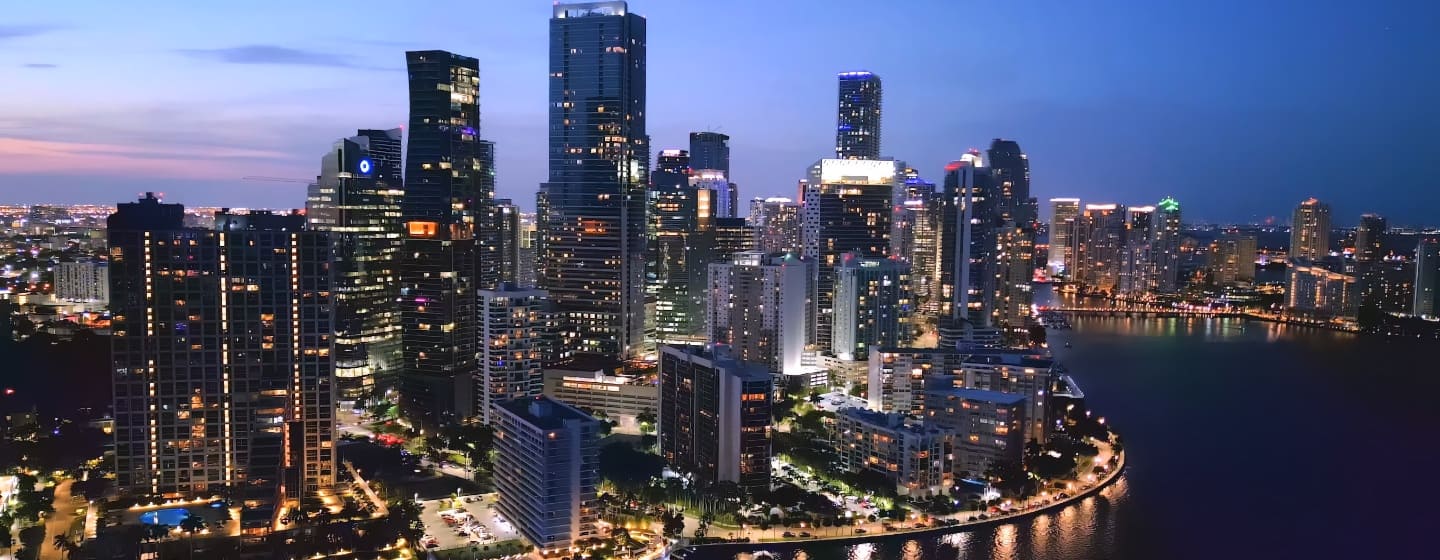
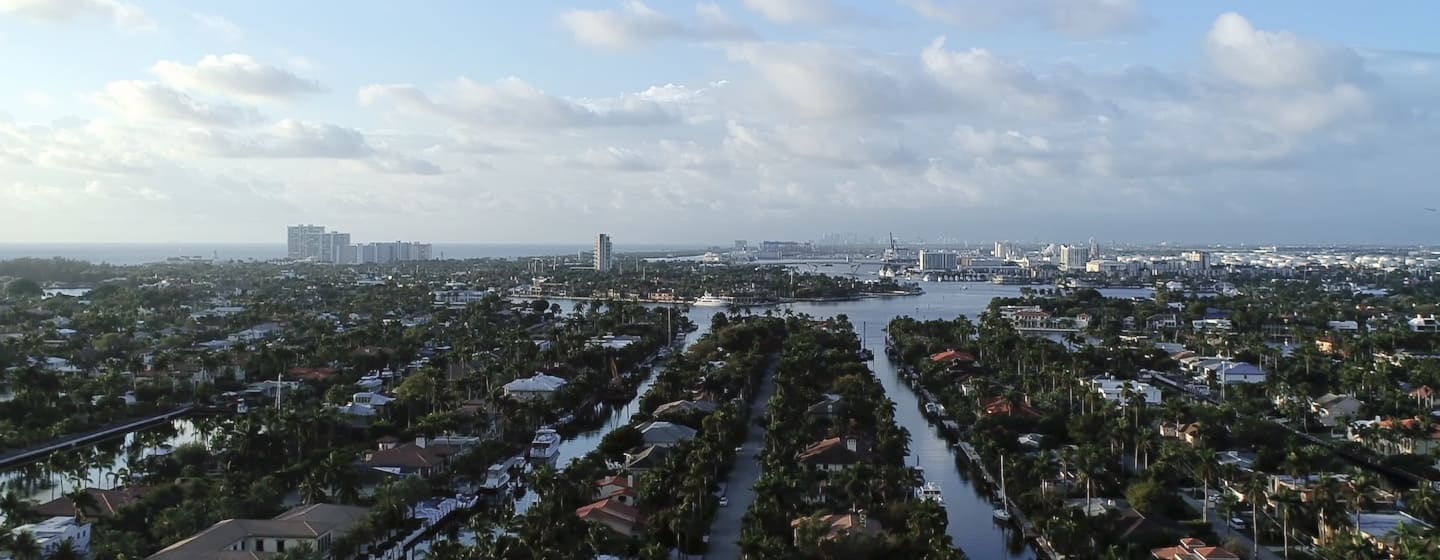
If you move down the coast toward Miami and Fort Lauderdale, the psychological landscape shifts. Here, the dating scene is often governed by what we call “Social Signaling.”
In a city where your car, your watch, and your zip code are your primary identifiers, dating becomes a high-stakes game of peacocking.
I often see the fallout of “Image-Based Intimacy.” When a relationship is founded on the “Status Mirror”—the idea that my partner’s beauty or wealth reflects my own value—the foundation is inherently fragile.
In South Florida, there is a palpable pressure to maintain a “curated” life. This leads to a high rate of Performance Anxiety within relationships.
Couples often find themselves performing for an invisible audience (and a very visible Instagram feed) rather than connecting on an emotional level.
The “Sunshine Tax” isn’t just about the cost of living; it’s about the emotional cost of maintaining a facade.
When the facade inevitably cracks, the relationship often dissolves because the partners weren’t in love with each other—they were in love with the reflection.
The “Geographical Cure” and the Baggage Carousel
Florida is the nation’s “Geographical Cure.” Every week, thousands of people move here with the hope that the sunshine will bleach away their past traumas, failed marriages, and personal insecurities.
They believe that by changing their latitude, they will change their attitude.
However, as we say in the clinic: “Wherever you go, there you are.”
This creates a unique challenge in the Florida dating market. You are often dating people who are in a state of transition—or escape.
This leads to a phenomenon I call “The Baggage Carousel.” Because so many residents are transplants, many are carrying unresolved issues from their lives “up North.”
When two people meet while both are trying to outrun their ghosts, the relationship often becomes a “Rebound Romance” with the state itself.
They aren’t just dating a person; they are dating the idea of their new Florida life.
When the novelty of the palm trees wears off and the reality of life sets in, these “geographic cure” relationships often collapse under the weight of the baggage they tried to leave behind at the airport.
The I-4 Eye-Roll: Practical Distance vs. Emotional Proximity
Logistics play a massive role in the psychology of dating, and Florida’s geography is a nightmare for intimacy.
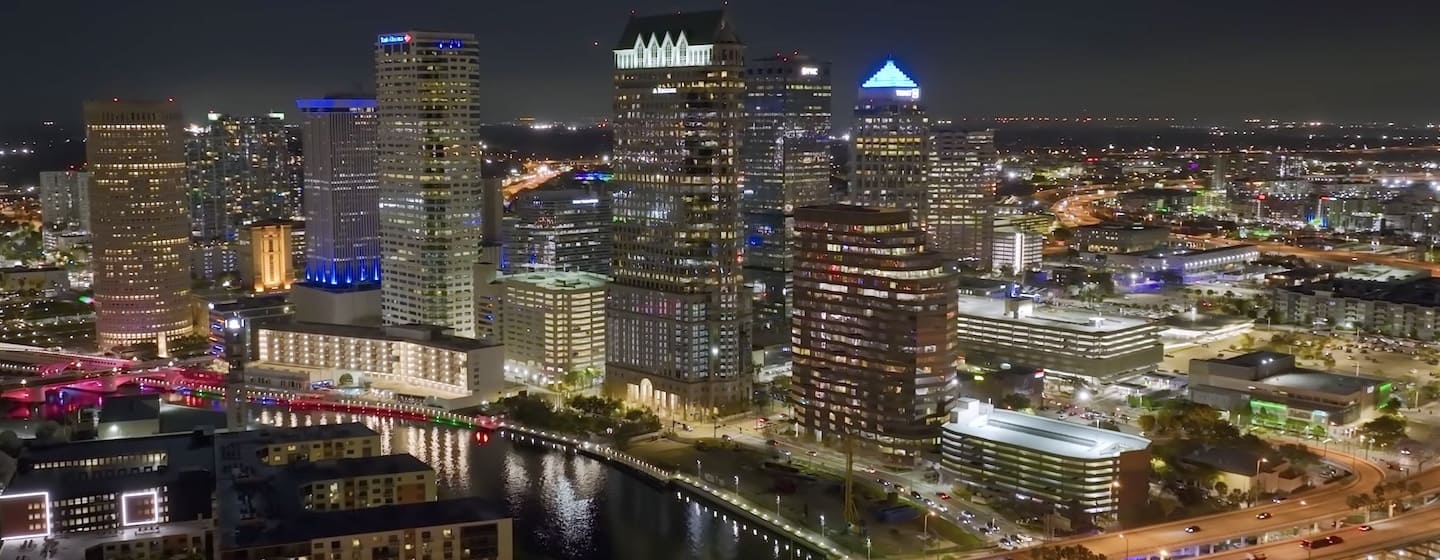
Whether it’s the gridlock of I-95 or the sprawling expanse of the I-4 corridor, distance in Florida is measured in hours, not miles.
This creates a “Proximity Bias” that is more extreme than in other states. I have seen many potential soulmates “swipe left” because a 30-mile distance in Orlando can mean a 90-minute commute.
Psychologically, this leads to “Dating Isolationism.” People become unwilling to leave their local bubble, which shrinks the dating pool and creates a sense of scarcity.
This scarcity often leads to “Sunk Cost Fallacy” dating—staying with someone who isn’t a good fit simply because they live in the same neighborhood and you don’t want to deal with the traffic to find someone new.
In Florida, sometimes the greatest obstacle to true love isn’t your personality; it’s the bridge construction.
The Silver Revolution: Love and Lust in the Sunset Years
We cannot talk about Florida without discussing the fascinating psychology of senior dating. Regions like The Villages or Boca Raton offer a look into a demographic that is often ignored in dating discourse.
The psychology here is governed by “Temporal Scarcity.” When you recognize that you have fewer years ahead than behind, your approach to dating changes.
There is a “Carpe Diem” intensity that you don’t see in the 20-somethings. This leads to rapid-fire relationships, high rates of cohabitation without marriage, and, interestingly, a significant rise in STIs among the elderly.
For these seniors, dating is a rebellion against invisibility. It’s a way to prove they are still vibrant, desired, and alive.
However, it also brings up complex issues regarding “Legacy Anxiety”—how a new partner fits into a life already full of children, grandchildren, and established estates.
Dating in the Florida “Sunset Years” is a high-stakes emotional tightrope walk.
The Disney Effect: Searching for Magic in a Land of Tourists
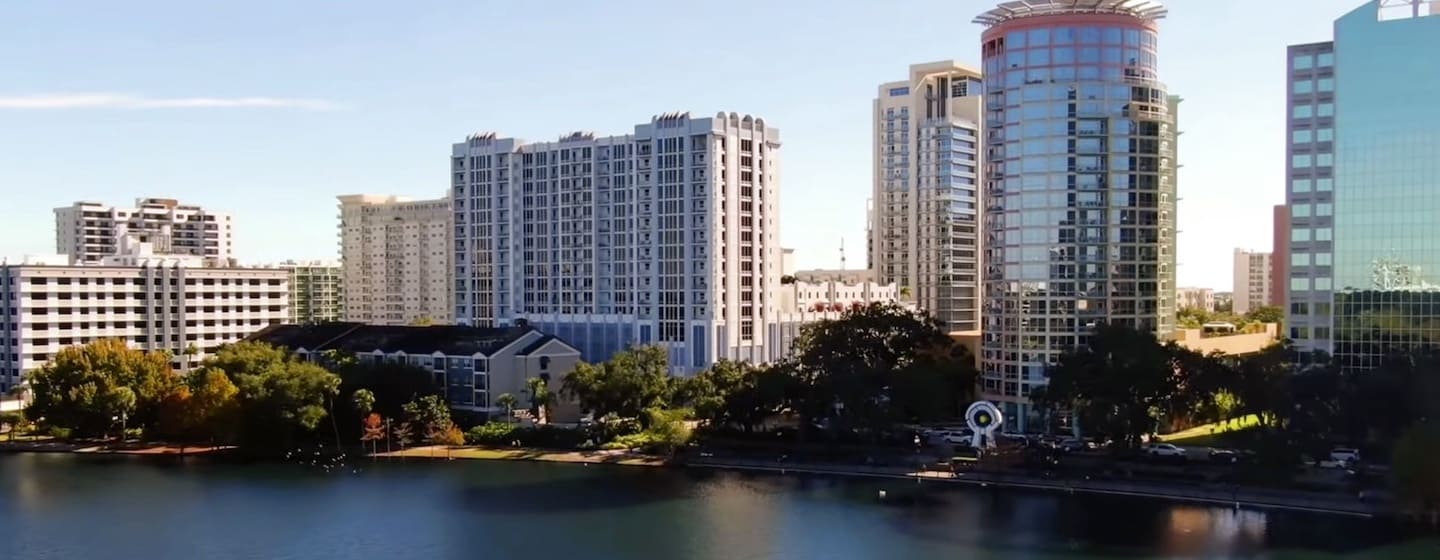
In Central Florida, the dating scene is heavily influenced by the “Disney Effect.” This is the psychological drive to find a “storybook” romance in a place built on fantasy.
Orlando is a hub for tourism, which means the population is constantly rotating.
This creates a “Transient Attachment Disorder” within the dating scene. How do you build a foundation when a large portion of the people you meet are “just visiting” or working on a temporary contract?
This leads to a “Theme Park Mentality” toward dating: high excitement, short duration, and a heavy dose of fantasy.
People often find themselves falling for the “Vacation Version” of someone—the version that is relaxed, spending money, and away from real-world responsibilities.
When the “tourist” returns to their reality, the local is left with a “Heartbreak Hangover.”
The Humidity of the Heart: Physicality and Intimacy
It sounds trivial, but as a psychologist, I look at how the physical environment affects the nervous system. Florida’s heat and humidity have a physiological impact on the body.
High heat can increase irritability and decrease patience—traits that are not conducive to the early, sensitive stages of dating.
Conversely, the “Outdoor Lifestyle” of Florida encourages physical activity and a focus on the body.
This can lead to a “Physical-First” dating culture. While physical attraction is a vital component of any relationship, in Florida, it often overshadows “Cognitive Compatibility.”
When you spend 10 months of the year in swimwear, the exterior becomes the primary focus, often at the expense of developing the “Internal Architecture” of a relationship.
The “Florida Man” and the Media’s Impact on Self-Perception
The “Florida Man” trope isn’t just a meme; it’s a psychological weight that residents carry. There is a collective subconscious awareness of the state’s reputation for chaos.
For many singles, this creates a “Defensive Dating” posture. They enter the dating market with high levels of skepticism, looking for signs of “the crazy.”
Hyper-vigilance is the enemy of intimacy. When you are constantly scanning for “Red Flags” because you’re afraid of ending up in a bizarre news headline, you make it impossible for a natural connection to form.
I often have to work with clients to lower their “Threat Detection” levels and remember that most people in Florida are just looking for a connection, not a headline.
Navigating the Digital Swamp: Online Dating in the Sunshine State
Online dating in Florida is like navigating the Everglades: it’s beautiful on the surface, but there are a lot of predators and sudden drop-offs. the prevalence of “Bot Profiles” and “Account Seekers” in high-tourism areas like Miami and Orlando is significantly higher than in the Midwest.
This leads to “Digital Fatigue.” Florida singles often report feeling cynical and burnt out. The “Paradox of Choice” is also amplified here.
Because Florida is a destination state, the dating apps are constantly flooded with new faces.
This creates a psychological “Treadmill Effect”—the belief that there is always something better, newer, or more exciting just one swipe away.
To find success, Florida singles must learn to practice “Mindful Selection” rather than “Impulsive Swiping.”
Weathering the Storm: Building Resilience in Relationships
If there is one thing Floridians understand, it is how to prepare for a hurricane. This same philosophy can be applied to their relationships.
The most successful couples I see in my practice are those who have “Short-Term Flexibility and Long-Term Durability.”
The Florida environment is unpredictable. From sudden storms to sudden economic shifts in the tourism industry, life here can change fast.
Relationships that thrive are those that can pivot. This requires a move away from the “Endless Summer” avoidance and toward a “Storm-Ready” commitment.

The Psychologist’s Prescription for Florida Dating
If you are navigating the dating scene in the Sunshine State, here are a few psychological strategies to keep you grounded:
- Beware of the “Vacation Version”: Whether it’s yourself or your partner, ensure you are connecting with the “Real Self,” not the person who only exists on weekends and at the beach.
- Define Your Seasons: Since the weather won’t do it for you, create your own emotional milestones. Don’t let a relationship drift in a state of “perpetual summer” without clear discussions about the future.
- Check Your Baggage: If you moved here to escape something, make sure you’ve actually processed it. Don’t make your new partner pay for the crimes of your ex in New York or Ohio.
- Prioritize Substance over Signaling: In a state that prizes the aesthetic, make a conscious effort to value character, shared values, and emotional intelligence.
- Lower the Threat Detection: Not everyone is a “Florida Man” story waiting to happen. Allow yourself the vulnerability to be surprised by someone’s goodness.
Frequently Asked Questions (FAQs)
This is often a result of the “Peter Pan Syndrome” mentioned earlier. The lack of seasons and the transient nature of the population contribute to a “liminal” mindset. Many people move to Florida specifically to escape the pressures of their “old life,” which often includes a desire to avoid new pressures like serious commitment. It takes a conscious effort to find someone who has moved past this “permanent vacation” phase.
From a psychological and statistical standpoint, yes. The high density of active, retired individuals combined with a “Carpe Diem” attitude leads to a very active dating scene. The psychology of “aging with agency” means many seniors are prioritizing their own happiness and social lives more than they did in their younger years, leading to a vibrant—if sometimes chaotic—dating culture.
The key is “Vetting for Stability.” Early in the dating process, inquire about a person’s long-term plans. Are they here for a contract? Are they testing the waters? Are they “running away” or “running toward”? Understanding their “Geographical Intent” can save you a lot of heartache.
Ghosting is a byproduct of “Low Social Accountability.” In close-knit communities, you are less likely to ghost someone because you might see them at the grocery store or church. In Florida’s sprawling, transient cities, the chances of “running into” an ex are lower. This anonymity makes it psychologically easier for people to choose the path of least resistance (ghosting) rather than having a difficult conversation.
Absolutely. High heat correlates with increased cortisol levels (the stress hormone). Furthermore, the lack of seasonal shifts can lead to a feeling of “time stagnation,” where months or years can pass without a sense of progression in a relationship. Awareness of these factors can help you consciously “check-in” on your relationship’s growth.
You must change your “Fishing Grounds.” If you are looking for a long-term partner, avoid places that cater to the “Vacation Version” of people. Look for connection in spaces that require “Sustainable Effort”—volunteer organizations, hobbyist groups, or professional networking events. This selects for people who are “Rooted” rather than “Floating.”
The “Permanent Tourist” mindset. If someone has lived in Florida for three years but still lives like they are on a week-long Spring Break (no stable housing, no local social circle, constant “vacation” spending), it is a sign of Avoidant Attachment and a lack of grounding.
Conclusion
Dating in Florida is not for the faint of heart. It is a psychological crucible that rewards the self-aware and punishes the impulsive.
By understanding the unique environmental and cultural pressures of the Sunshine State—the Peter Pan paradox, the geographical cure, and the status signaling—you can navigate the swamp and find something truly rare: a genuine connection that lasts longer than a Florida sunset.
Remember, the goal isn’t just to find someone to share the sunshine with; it’s to find someone who will stand with you when the hurricanes come. And in Florida, they always come.