Dating in Montana: Navigating Love in the Land of Big Skies and Bold Hearts
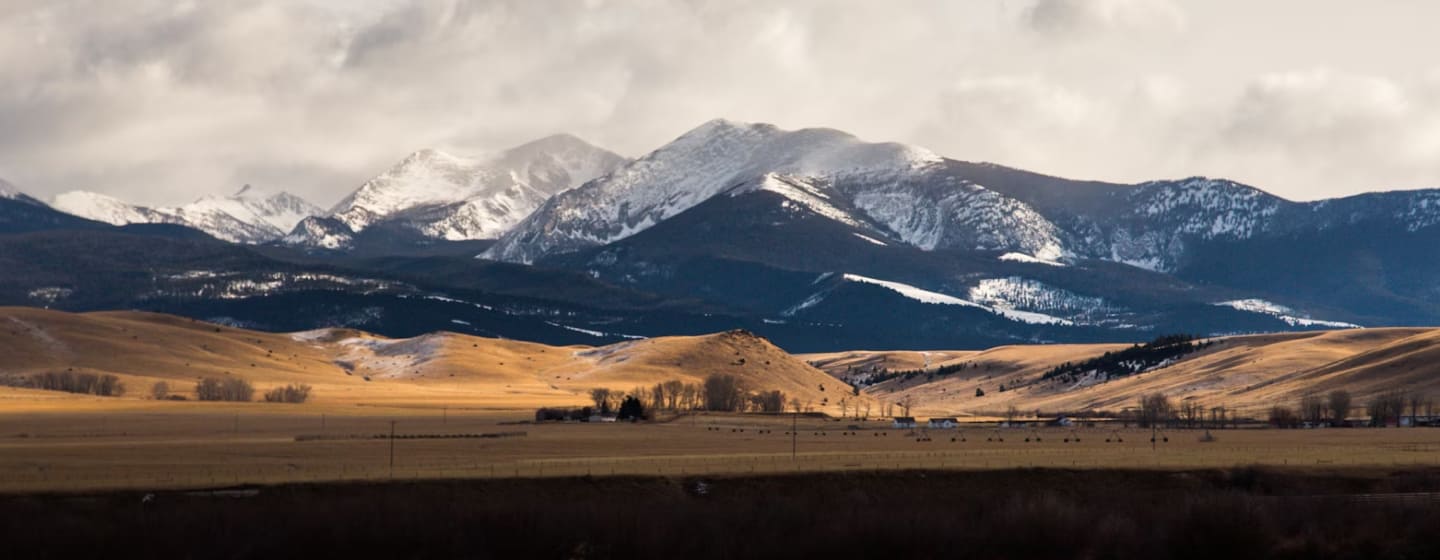
Montana—where the mountains touch the clouds, and the prairies stretch like an open invitation to adventure—has long been a land of rugged individualism and breathtaking beauty.
For many, it’s a dream destination: a place to disconnect from the noise of urban life and reconnect with nature, simplicity, and community. But when it comes to dating,
Montana’s charm is both a blessing and a challenge. I’ve seen how the unique social, cultural, and geographical landscape of this state shapes relationships in unexpected ways.
Whether you’re a native Montanan or a recent transplant, dating here requires a mix of resilience, adaptability, and a touch of old-fashioned grit.
Let’s unpack the psychology of love in the Last Frontier.

The Allure of Wide Open Spaces and the Loneliness of the Long-Distance Heart
Montana’s vast, open vistas aren’t just visually stunning—they’re a metaphor for its dating scene.
The state’s low population density (ranked 44th in the U.S.) means that romantic connections often depend on proximity, shared activities, or sheer serendipity.
While this can lead to deeply meaningful relationships, it also raises the stakes of loneliness.
Humans are wired for connection, yet isolation is a common companion in sparsely populated areas.
The psychological concept of “geographic paradox” explains how beautiful, expansive environments can amplify feelings of solitude.
In Montana, couples often find themselves leaning into shared activities—like hunting, hiking, or homesteading—to bridge the gap between emotional intimacy and physical separation.
Actionable Advice:
- Join community events (e.g., powwows, rodeos, or local festivals) to meet people.
- Consider “interest-based dating” by participating in niche groups (e.g., fly-fishing clubs, Western heritage societies).
- Embrace co-creation: Build your own social world if the existing one feels limited.
From Cowgirls to Coders: Navigating Montana’s Diverse Dating Ecosystems
Montana isn’t a monolith. While it’s often romanticized for its ranching culture, the state is home to a mosaic of communities: remote ranch towns, bustling college hubs like Missoula and Bozeman, and rapidly growing tech centers. Each microcosm has its own dating dynamics.
Cultural adaptation theory highlights how individuals adjust to relationship norms in different social contexts.
In rural areas, traditions like courtship rituals or family involvement may persist, while urban centers lean into modern dating apps and casual meetups.
Navigating these differences requires cultural intelligence—and a willingness to bridge divides.
Case in Point: A Bozeman-based software developer might meet a partner through a hiking group or co-working space, while a rancher in Choteau could find love at a 4-H fair. The key is to step into the “cultural realm” of the people you’re interested in.
Actionable Advice:
- Research local subcultures (e.g., Big Sky’s luxury lifestyle vs. Helena’s literary scene).
- Use dating apps with niche filters (e.g., Tinder’s “Hikers” or “Farmhouse” interests).
- Learn to code-switch: Balance your values with the norms of the community you’re engaging with.
The Psychology of Weathered Romance: Building Resilience in Changing Conditions
Montana’s climate is legendary—prairie blizzards, sudden storms, and polar vortexes that turn sidewalks into ice rinks. These extremes aren’t just inconvenient; they’re a test of relational resilience.
Psychological Insight: Stress inoculation theory suggests that gradual exposure to manageable challenges can build emotional fortitude.
Montana’s weather acts as a “relationship stress test,” forcing couples to develop problem-solving skills, humor, and mutual support.
Real-Life Example: A couple stranded in a blizzard together might grow closer, provided they approach the situation with teamwork and a sense of adventure. Conversely, poor communication during a crisis can fracture even strong bonds.
Actionable Advice:
- Practice “micro-communication”: Small gestures (hot chocolate, a shared laugh about the snowplow) matter.
- Develop an emergency plan for severe weather to reduce anxiety.
- Use seasonal changes as a metaphor for relationship growth: Winter = patience, Spring = renewal.
The Authenticity Advantage: Finding Deeper Connections in a Less Filtered World
Montana’s laid-back vibe often means less emphasis on superficiality and more on authenticity.
In a state where “city slicker” jokes are common, many Montanans value down-to-earthness over social media polish.
Psychological Insight: Self-disclosure theory posits that vulnerability fosters trust.
In Montana, where “don’t touch the haystacks” still matters more than a curated Instagram feed, people often reveal their true selves faster. This can accelerate intimacy but also amplify friction if expectations clash.
Case in Point: A first date in Butte might involve drinking coffee at a vintage diner and discussing politics—no filters, no pretense. It’s refreshing but requires emotional maturity.
Actionable Advice:
- Prioritize depth over dazzle. Ask questions about values, not just hobbies.
- Be mindful of “authenticity fatigue.” Even in Montana, people need grace and kindness.
- Lean into shared challenges (e.g., helping neighbors after a wildfire) to build trust.
The Digital Divide: Love in the Digital Age, Offline and Online
Montana’s vast expanses and rural broadband gaps create a unique relationship with technology.
While urban centers thrive on dating apps, many small towns rely on word-of-mouth introductions or community matchmaking.
Psychology of Connection: Hyperpersonal theory argues that digital communication can amplify relationship satisfaction—but only if used intentionally. In areas with poor Wi-Fi, couples often prioritize in-person bonding, which can strengthen ties.
Real-Life Example: A rancher in Paradise Valley might meet their partner through a mutual friend at a livestock auction, while a Missoula teacher might swipe on Hinge during a 45-minute commute.
Actionable Advice:
- Use technology to expand your reach (e.g., dating apps with location-based filters).
- Balance screen time with outdoor adventures to align with local norms.
- If in a remote area, consider virtual date ideas (cooking together over Zoom, watching a movie on Netflix Party).
Tradition vs. Transformation: Balancing Montana’s Legacy with Modern Love
Montana’s frontier history shapes its romantic ethos. While many still uphold values like loyalty and self-reliance, others push boundaries with progressive, non-traditional relationships.
Psychological Insight: Role conflict theory explains how individuals juggle old and new identity markers.
For example, a young Montanan might grapple with parental expectations (e.g., “marry someone who works the land”) while pursuing a polyamorous relationship in Bozeman.
The Newcomer’s Guide: Integrating into a Relationship-Focused Culture
Montana’s tight-knit communities can feel welcoming—or intimidating—to newcomers.
Entering a romantic relationship here often requires understanding the unspoken rules.
Psychological Insight: Social identity theory shows how belonging boosts happiness.
Newcomers who “show up” (literally and figuratively) by attending community events or volunteering can forge connections faster.
Actionable Advice:
- Volunteer with local causes (e.g., wildfire recovery, animal shelters).
- Learn basic ranch terms (e.g., “mucking out the stall,” “branding season”) to build rapport.
- Be patient: Relationships in Montana often unfold like prairie grass—slowly but deeply.

Conclusion: Heartbeats in the Wilderness – Discovering Love in the Land of Big Skies
Dating in Montana is less about finding a shortcut to romance and more about embracing the journey.
I’ve seen how Montana’s unique mix of challenges and beauty can forge relationships that are as resilient as its mountains and as wide-ranging as its horizons.
So pack a thermos, grab a partner in crime, and let the adventure begin.
FAQs: Dating in Montana – Your Burning Questions Answered
Yes and no. While sparse population can limit dating pools, communities often emphasize connection. Try local churches, schools, or hobby groups. In areas like Livingston, even the library hosts dating events!
Communication is key. Plan indoor date ideas (board games, cooking classes) and lean on each other for warmth—literally and emotionally. Winters can strengthen bonds if approached creatively.
It depends on the location. Urban areas thrive on apps like Tinder and Bumble, while rural folks often rely on local meetups. Use niche apps (e.g., Farmville, Outdoorsy) to attract like-minded partners.
Be curious but not critical. Ask friends about local traditions, and attend events like a rodeo or fiddle contest. Subtly aligning with local culture will make integration smoother.
Couples should find a rhythm that respects each other’s needs. If one partner is more adventure-driven and the other prefers low-key downtime, compromise via “weekend adventures + cozy weeknights.”
Respect land and community. Avoid commenting on someone’s accent or livelihood in a judgmental way. Phrases like “city person” or “tree-hugger” can come across as dismissive.
Seek out therapy (many teletherapy services operate in rural areas) and invest in hobbies that attract social circles. Montana’s slower pace also allows time to build deeper, more intentional relationships.
By blending practicality with heart, Montana’s dating landscape offers a chance to rediscover the joy of connection—on a grand scale. After all, what’s more romantic than finding your person beneath the Milky Way, with not a soul for miles?