
The Volunteer State of the Heart: A Deep Dive into Tennessee Dating
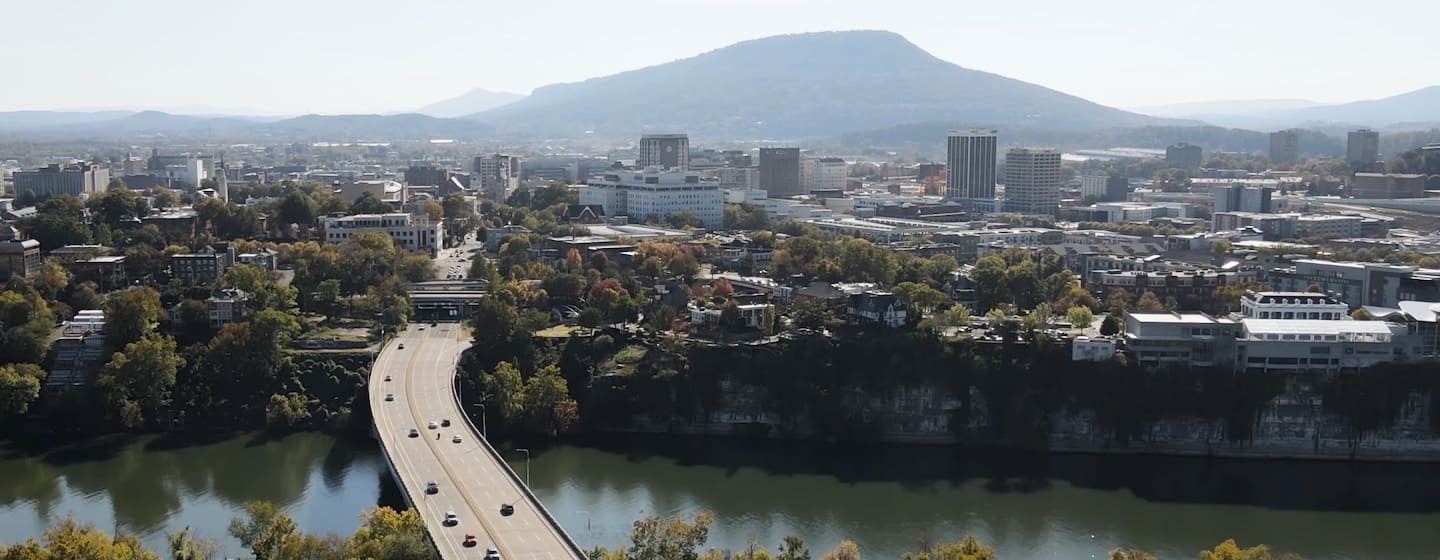
Tennessee is a gorgeous mess of jagged mountains in the east, rolling bluegrass fields in the middle, and soulful river bluffs out west. And let me tell you, dating here feels exactly like that landscape – beautiful, surprising, and sometimes hard to navigate.
Over the years of working with clients across this state, I have learned one thing. Dating in Tennessee is not just about finding someone to hold hands with. It is about understanding old traditions, new economic realities, and that famous “Southern hospitality” that can either warm your heart or leave you completely confused about where you stand.
Whether you are drinking moonshine in Gatlinburg, swiping through profiles in Nashville’s tech-fueled chaos, or listening to blues in Memphis, the psychology behind romance here is as layered as a country song.

The Magnolia Mask: When Southern Politeness Gets in the Way
One of the first things I talk about with my clients here is what I call “cultural indirectness.”
We grow up saying “Yes, ma’am,” “No, sir,” and the ever-present “Bless your heart.” On the surface, this keeps things smooth and friendly. But in the dating world? This “Magnolia Mask” can become a real problem.
Real closeness requires being open and, sometimes, uncomfortably honest. But in Tennessee, being polite is so drilled into us that many people avoid conflict at all costs.
Instead of telling someone “I don’t feel a spark,” they will just slowly fade away. Or they will keep saying “Let’s do that sometime” with no plan to follow through. They do not want to hurt your feelings. But ironically, leaving you hanging hurts way more.
To find a real connection here, you have to learn to look past the polite surface. You need to move beyond small talk about the weather or the Vols and ask real questions about values and feelings.
The Nashville Surge: Swiping Through the “It” City’s Frenzy
Nowhere is dating more chaotic than in Nashville right now. I see it in my practice all the time.
Over the past decade, this city has exploded. It went from a quiet music town to a global hotspot. And that has created something I call “Transplant Turbulence.”
Here is the thing. Nashville has two kinds of people now. You have the “Old Nashville” locals – folks who value deep roots, family traditions, and slow-burning romance. Then you have the “New Nashville” transplants – young professionals from California, New York, and Chicago who bring a faster, more transactional dating style.
When these two worlds meet on dating apps, the result is often a total mismatch of expectations. The transplant might want someone to check out a trendy new restaurant with. The local might be looking for someone to bring home for Sunday dinner in Williamson County.
This friction leads to what I call “dating burnout” – that exhausted feeling when you have interviewed a dozen strangers who do not speak your emotional language.
The “Sunday Morning” Pressure: Faith and Fitting In
We cannot talk about dating in Tennessee without talking about the Bible Belt. For a lot of people here, faith is not just a Sunday thing. It is who they are.
Psychology tells us that shared values are one of the biggest predictors of relationship success. In Tennessee, churches are often the main place where people meet. That works great if you are in that circle.
But if you are not part of a specific religious community? You might feel like an outsider. And that can make dating a lot harder.
I also see a lot of pressure in my younger clients – this unspoken timeline that you should be married by 25. I call it the “Pre-M.R.S. Degree” mentality. People rush into commitments not because they found the right person, but because they are afraid of being left behind while their friends post engagement photos.
The Geography of Loneliness: From the Delta to the Blue Ridge
Tennessee is wide. And the dating experience changes drastically depending on where you are along I-40.
In East Tennessee, the culture is more insular. In the Appalachian foothills, people still care about “who your people are.” Dating here often runs on “social proof” – meaning people trust you more if you have mutual connections. If you are new to a town like Johnson City or Maryville, the dating pool can feel like a locked room. Someone has to hand you the key.
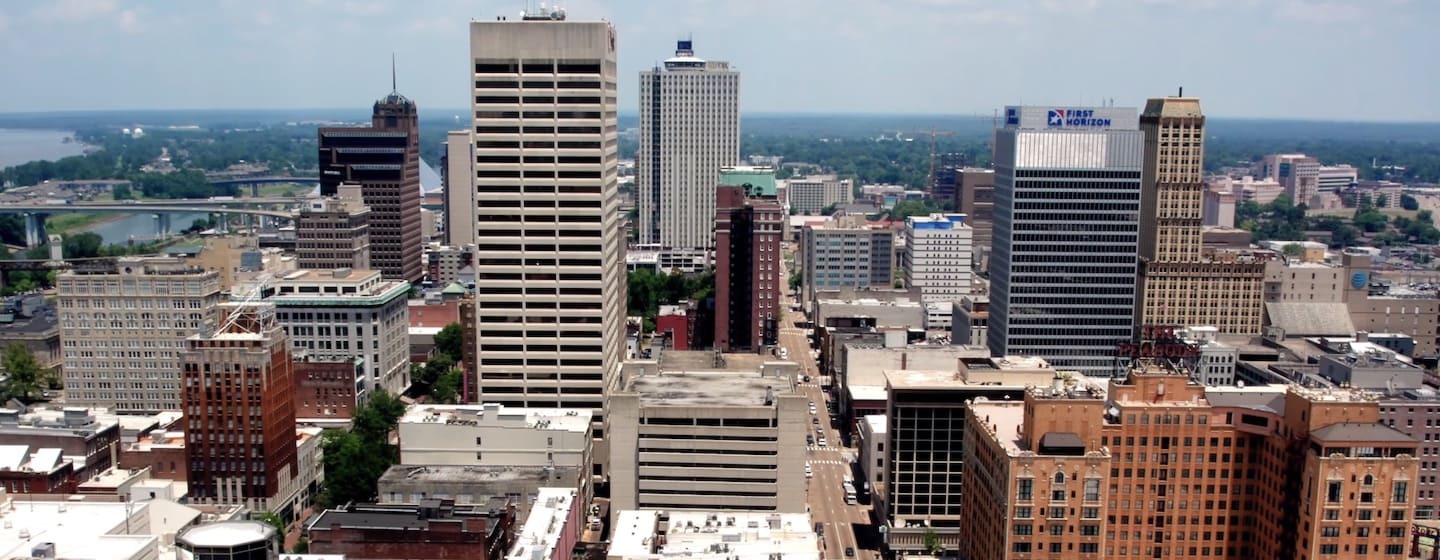
Out in West Tennessee, especially Memphis, the vibe is different. There is a grit and soulfulness there that invites a rawer, more authentic kind of connection. But Memphis also has higher levels of economic stress. And that can push people into “survival-based” dating – where financial stability or physical safety becomes the main factor in choosing a partner, sometimes at the expense of emotional chemistry.
The “Bachelorette Parade” Effect and Dating Fatigue
If you walk down Broadway in Nashville on a Saturday night, you will see dozens of bachelorette parties. Great for the economy. Weird for the local dating scene.
This constant exposure to “party tourism” has a strange psychological effect. Locals start seeing the opposite sex through the lens of these loud, fleeting interactions. For local women, it can feel like being overlooked in their own city. For local men, it can create a “disposable dating” mindset – like there is an endless buffet of low-stakes encounters, which makes it harder to buckle down and do the emotional work of a real relationship.

The Psychology of the “Great Outdoors” Date
Here is one thing Tennessee gets right. The access to nature is incredible. Radnor Lake. The Smokies. The Harpeth River.
From a clinical perspective, “activity-based dating” works way better than sitting across a table at a bar, feeling like you are in a job interview. Walking a trail or kayaking lowers stress hormones and takes the pressure off. It lets something called the “propinquity effect” kick in – that natural tendency to bond with people you share experiences with.
In Tennessee, if you are not willing to get a little red mud on your boots, you are missing out on the state’s best relationship tool.
The Ghost of the “Southern Belle” and the “Strong, Silent Man”
Old-school gender roles still hang around in Tennessee dating. Even in professional circles in Chattanooga or Memphis, the “Southern Belle” ideal – being poised, nurturing, agreeable – and the “Strong, Silent Man” – the provider who does not talk about feelings – are still lurking in the background.
I work with a lot of men here who struggle with what psychologists call “alexithymia” – not being able to identify or describe their own emotions. They were taught that emotional openness is not masculine. Meanwhile, many women feel this pressure not to be too assertive or independent, worried they will be seen as “unfeminine.”
The couples who do best here are the ones who respect Southern traditions but refuse to be trapped by the stereotypes.
Identifying the “Tennessee Two-Step”: A Strategy for Success
To date well in this state, you need to master what I call the “Tennessee Two-Step.”
First, patience. Beneath that polite surface, people here take time to trust. Do not mistake Southern hospitality for instant intimacy.
Second, intentionality. Because the culture is so indirect, you have to be the one to bring clarity. If you want a real relationship, say it clearly. Otherwise, you could drift in “polite limbo” for months.
High-Stakes Sports and Relational Bonding
In Tennessee, “Orange” is not just a color. It is a psychological state of being. Vols football (and to a lesser extent, Vanderbilt and Memphis) acts as a social identity marker.
Dating someone who roots for a rival team is not just a fun quirk. In some rural areas, it can genuinely create an “us versus them” dynamic.
But here is the flip side. The shared ritual of tailgating provides a high-energy environment. Psychologically, people are more likely to feel romantic attraction when their adrenaline is pumping – a phenomenon sometimes called the “misattribution of arousal.” A Saturday at Neyland Stadium can accelerate a romantic connection faster than five fancy dinners.
The Rural-Urban Divide: Two Different Dating Worlds
There is a huge psychological difference between dating in a smaller place like Cookeville and a bigger city like Nashville.
In rural Tennessee, the “small world effect” is real. Your ex is probably your neighbor’s cousin. The waiter at the local diner knows your dating history. That creates a “privacy deficit.” People often stay in mediocre relationships longer simply because the social cost of a breakup feels too high.
In the cities, we see the opposite problem. The “paradox of choice.” With thousands of options on a screen, people become “maximizers” – always looking for a better version of their current partner. And that leads to chronic dissatisfaction.

Conclusion: The Heart’s Frontier
Tennessee is full of contradictions. Deeply traditional. Rapidly changing. Dating here requires you to be a bit of a “social architect” – building bridges between the old ways and the new realities.
At its core, dating in Tennessee is about the search for “home.” Whether that home is a cabin in the woods or a condo overlooking the Cumberland River, the desire for connection is still the most powerful drive we have.
Once you understand the cultural masks, the geographical pressures, and the psychological patterns of this region, you can stop feeling like a volunteer in the dating world and start feeling like the author of your own love story.
Frequently Asked Questions about Dating in Tennessee
Focus on fitting into the community. Because Tennessee culture values “social proof” (trust built through mutual connections), do not just rely on apps. Join local groups – hiking clubs, church communities, hobby circles. Once a local vouches for you, your dating options will open up fast.
Statistically, yes. There is a strong cultural and often religious emphasis on marrying early. In many Tennessee communities, marriage is seen as the start of adulthood, not a milestone later in life. That can create real pressure for people in their late 20s who are still single. They often feel “social comparison anxiety” – watching friends settle down while they are still figuring things out.
Watch out for extreme conflict avoidance. If someone is “too nice” to ever disagree with you or share a real opinion, they might be hiding their true self behind that Magnolia Mask. That often turns into passive-aggressive behavior later. Look for someone who can be both polite and honest.
In cities like Nashville and Memphis, it is a huge factor. It provides a kind of “secondary identity.” Dating a musician or someone in the industry comes with unique stressors – irregular schedules, big egos, financial ups and downs. Ask yourself if you are attracted to the person or the persona of the artist.
Ghosting happens everywhere. But in Tennessee, it is often a side effect of the “politeness trap.” Because people are raised to avoid direct confrontation, disappearing feels psychologically “easier” than having an awkward conversation about lack of chemistry. It is rarely personal. It is just a cultural way of dealing with discomfort.