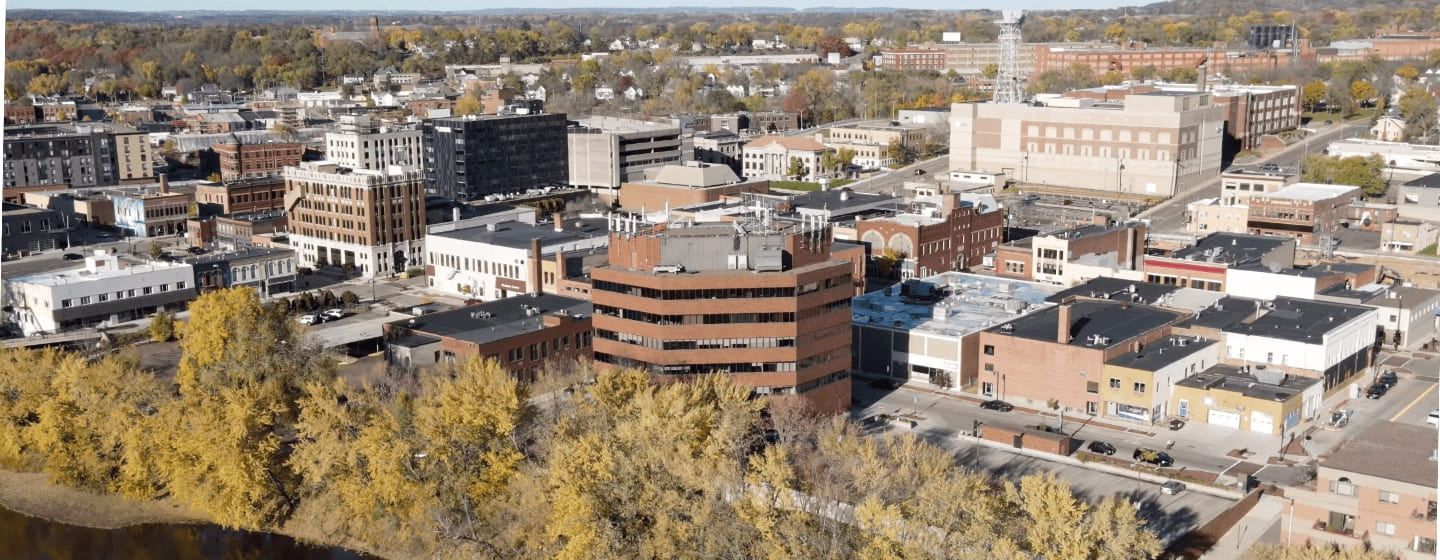





Wisconsin has this image, right? Friendly people. Nice Midwestern vibes. Someone will help you jump-start your car in a blizzard and then invite you over for chili. But when it comes to romance? Suddenly everyone’s a ghost.
I see it every week in my practice. People who are crushing it at work, who have great friends, who are active in their communities—and they cannot figure out how to actually date. They’re smart. They’re funny. They’re good people. And they’re stuck.

The App Trap
One of my clients came in last month, sat down on my couch, and just stared at the ceiling for a solid minute. Then she said, “I went on thirty-one first dates last year. Thirty-one. And I still don’t have a boyfriend.”
I’ve known her for a while. She’s in her late twenties. Smart, funny, has a career she loves. And she’s been on more first dates than I’ve been on in my entire life. But every single one ended the same way—nothing. No second date. Or a second date that led nowhere. Or three dates and then radio silence.
She told me she’d started to feel like she was auditioning. Like she was standing in front of a panel of judges, trying to get cast in a role that kept going to someone else. And after a while, she started to believe something was wrong with her.
I looked at her and I said, “You know what I think? I think you’re exhausting yourself trying to impress people who aren’t even showing up as themselves.”
She blinked at me. “What do you mean?”
I said, “You’re on these apps, matching with people who are basically performing. Everyone’s got their best photos up, their funniest bios, their cleverest opening lines. Nobody’s real. And you’re comparing your real self to their curated selves and feeling like you’re coming up short.”
She started crying. Not the dramatic kind. Just this quiet leak of tears that she was trying really hard to hide.
That’s the thing about dating apps. They make us feel like we’re failing at something that’s designed to make us feel like we’re failing. It’s not you. It’s the system.
Why “Too Nice” Is Actually a Problem
Here’s something I’ve noticed about dating in Wisconsin. We’re nice here. Like, genuinely nice. And I love that about this place. But sometimes that niceness actually messes things up.
People are so worried about being rude or making things weird that they avoid telling the truth. They ghost instead of saying “I’m not feeling it.” They go on three more dates when they knew on the first one it wasn’t going anywhere. They stay in lukewarm situations because ending things feels mean.
I had a guy in my office—mid-thirties, good job, good-looking—who told me he’d been seeing a woman for almost four months. And he wasn’t into her. He said, “She’s really nice. I just don’t feel it. But she’s so nice. How do I break up with someone who’s nice?”
I said, “You break up with her by telling her the truth. And you do it today, because every day you wait is a day you’re stealing from her.”
He looked at me like I’d just asked him to punch a puppy. “But I don’t want to hurt her.”
“Too late,” I said. “She’s already been investing in something that doesn’t exist. The kindest thing you can do is stop wasting her time.”
He did it. He had the conversation. It was awkward and painful and she cried. But she sent him a text a few days later thanking him for being honest. Because she’d known something was off. She’d just been telling herself she was being paranoid.
That’s the thing about being nice. Sometimes it’s just a cover for being a coward. And I’m not saying that to be harsh. I’m saying it because I’ve been that person. I’ve stayed in things I shouldn’t have because I didn’t want to be the bad guy. And it never works out well for anyone.

Meetups That Actually Work
I tell my clients to get off the apps and go do things. Real things. With real people.
There was this event in Madison I heard about from a few of my clients. Some women in their mid-twenties started organizing singles mixers where people painted pottery. You know, like that scene from Ghost—the one everybody makes jokes about. They set up a bunch of mugs and bowls, turned on some music, and just let people create stuff.
And apparently it was a huge hit. One of my clients went, a woman in her late twenties who’d been on all the apps and was totally burned out. She told me afterward, “It was so different. You’re painting this ugly mug and you’re laughing at how bad it is, and suddenly you’re actually talking to someone. Not like, interview talking. Like, real talking.”
She met a guy there. He was a software engineer from Milwaukee who’d driven up for the event because he was sick of the apps too. They spent the whole night making fun of each other’s pottery skills. They’ve been dating for a few months now.
Another client of mine, a guy in his early forties, had pretty much given up on dating entirely. He’d been divorced for a few years, and the apps made him feel old and out of touch. I told him to try something in person, just once, just to see how it felt.
He went to a hiking meetup in the Kettle Moraine area. He wasn’t even expecting to meet anyone—he just liked hiking. But there was a woman there who kept stopping to look at the same weird mushrooms he was looking at. And they started talking. And then they started walking together. And then they went out for beer after.
He told me later, “I wasn’t trying to impress her. I was just looking at mushrooms. And she was too. And somehow that was better than any dating app conversation I’ve ever had.”
That’s the thing. When you’re doing something you actually enjoy, you stop performing. You’re just yourself. And that’s when people actually see you.
The Friends With Benefits Trap
Alright. Let’s talk about casual arrangements. Because I see this constantly.
Someone comes into my office, and they tell me they’re in a friends with benefits situation. And they say it kind of offhand, like it’s no big deal. But then they spend the next fifty minutes talking about this person. What they texted. What they didn’t text. What it means when they don’t respond for two hours. Whether the way they said “see you later” sounded different than last time.
And I just sit there and think, you are so in love with this person. And you’re trying so hard not to be.
I had a client named Jenna. She was 29. Worked in marketing in Milwaukee. She’d been seeing this guy for about nine months. They’d hook up regularly. Great intimate sex, she said. The kind that leaves you a little confused afterward because it feels like more than just physical. They’d text every day. They’d hang out and watch movies and order takeout.
But he’d been clear from the start—he didn’t want a relationship. He’d just gotten out of something serious. He wasn’t ready. And she’d said she was fine with that. She was fine.
She was not fine.
She’d be at work and he’d text her something random and she’d stop everything to analyze it. What does “lol” mean in this context? Did he use an exclamation point? Is that good or bad? She was making herself miserable trying to be “cool.” And she couldn’t figure out why.
I asked her one session, “If your best friend told you she was in this situation, what would you tell her?”
She didn’t even hesitate. “I’d tell her to get out.”
“Okay,” I said. “So why aren’t you telling yourself that?”
She just stared at me. And I could see the wheels turning. She knew. She’d known all along. But knowing and doing are two different things.
She finally had the conversation. She told him she’d developed feelings and she needed to know if there was any future there. He said he really liked her but he still wasn’t ready. He was sorry.
She was devastated. For a few weeks, I thought she might be back to square one. But then something shifted. She stopped checking his Instagram. She stopped analyzing his texts. She started saying yes to social invitations she’d been declining. And then she met someone at a friend’s birthday party—just a regular guy who asked her what kind of music she liked and actually listened to her answer.
She told me, “It’s so different. I’m not constantly trying to decode his behavior. I just… talk to him. And he talks back. And it doesn’t feel like a puzzle.”
That’s what you’re looking for. Someone who makes you feel like you’re not solving a mystery. Someone who’s just there.
Unrequited Love—The Long Goodbye
This one breaks my heart every time. Unrequited love. It’s not like a breakup where at least you had something. It’s just… longing. With nothing to show for it.
I worked with a guy named Tom for over a year. He was in his fifties. Had been in love with a woman from his church for about fifteen years. Fifteen. She was married. Had kids. Was perfectly happy with her life. And he’d just been carrying this torch the whole time.
He never told her. He said it would be “inappropriate” and “pointless.” And I think he was right about that. But he also didn’t let it go. It was like he was living in a house with a locked room that he’d never open, but he’d walk past it every day and feel sad about it.
He told me once, “I don’t even know what my life would look like without this. It’s been so long. It’s part of me.”
I said, “Yeah. It is part of you. But it doesn’t have to be the whole thing.”
We worked on that. On letting go of the fantasy. On recognizing that he’d been using this unrequited love as a shield. As long as he was in love with someone who couldn’t love him back, he never had to risk rejection. He could have all the feelings without ever having to actually be with anyone.
It was hard. Really hard. He’d have good weeks and bad weeks. Sometimes he’d go back and check her Facebook and feel like he’d lost all his progress. But eventually, something clicked. He started going to a writing group. He started taking his dog to the dog park. He started saying yes to invitations he used to turn down.
He’s not with anyone now. But he’s trying. And he told me a few months ago that he’d gone a whole week without thinking about her. And he was kind of amazed by that.
That’s what healing looks like. It’s not some grand moment. It’s just one day realizing you didn’t think about them.

The Performance Trap
Here’s something I see with a lot of my clients, especially the successful ones. They’re so used to being impressive that they forget how to be real.
I had a guy in his early thirties. Great job, great salary, great apartment. He’d go on dates and talk about his career, his travel, his investments. He was selling himself like a used car. And he couldn’t figure out why nobody wanted to buy.
I said to him, “When was the last time you told a date something you were actually afraid of?”
He stared at me. “Why would I do that?”
“Because it’s called being human. And people connect with humans. They don’t connect with résumés.”
He started trying it. Slowly. At first, he’d just say small vulnerable things. Like, “I get nervous on first dates.” Or, “I’m actually not sure what I’m doing with my life.” And he was terrified. He thought they’d run for the hills.
They didn’t. In fact, things actually improved. Dates started feeling more relaxed. Women started opening up to him too. Because he’d gone first.
He told me later, “It’s so weird. I spent all this time trying to be impressive. And it turns out, people don’t actually care that much. They just want to know you’re human.”
The One Thing Nobody Tells You
I’ve been doing this work a long time. I’ve sat with hundreds of people. I’ve watched them struggle and fail and try again. And I’ve watched some of them find exactly what they were looking for.
Here’s the thing I’ve learned: It’s not about being the most attractive or the most successful or the most interesting person in the room. It’s about being brave enough to let someone see you. The messy parts. The weird parts. The parts you’re embarrassed about.
The ones who find love aren’t the ones who were the best at dating. They’re the ones who stopped trying to be perfect and just showed up as themselves.
It’s terrifying. It’s also the only thing that works.
FAQ: Your Questions About Dating in Wisconsin
I think it’s the Midwest thing. People are nice, but they’re indirect. They don’t say what they mean because they don’t want to be rude. And that indirectness creates a lot of confusion. You don’t know if someone likes you because they won’t just say it. They’ll hint. And you’ll guess. And everyone’s wrong.
I’m not saying never use them. But if they’re making you feel bad, take a break. Go do something in person. Join a club, take a class, volunteer. Just be around people without the pressure of “this is a date.” You might be surprised what happens.
If you’re confused, they’re probably not that into you. I know that’s hard to hear. But when someone likes you, you usually know it. They text back. They make plans. They don’t leave you guessing. If you’re always guessing, you’re probably not their first choice.
That’s not a good sign. Hot and cold means they’re either unsure or they’re stringing you along. Either way, it’s not your job to convince them to like you. That’s something they have to figure out on their own.
Look, it works for some people. But for a lot of people, it ends up being a slow drain on your heart. If you’re constantly analyzing what they mean, you’re not having fun. You’re working. You’re trying to figure out a code. And that’s exhausting. If you’re not getting what you need, say something. You don’t have to stay in something that’s making you anxious.
Yeah. There really is. I’ve seen it happen so many times. People find love at 25 and 45 and 60. It’s not about luck. It’s about staying open. About not giving up. About being willing to be vulnerable even when you’ve been hurt before.
Trying to be who they think the other person wants. It doesn’t work. It makes you tired. And it attracts people who don’t actually know you. Be yourself. I know it sounds cliché. But it’s true. The right person will like the real you. The wrong person will like the version you made up.